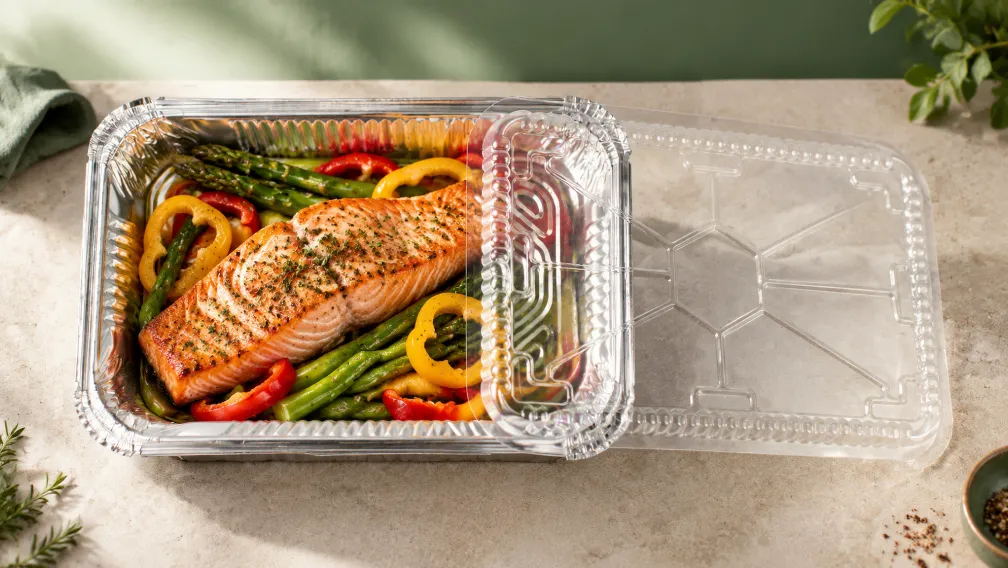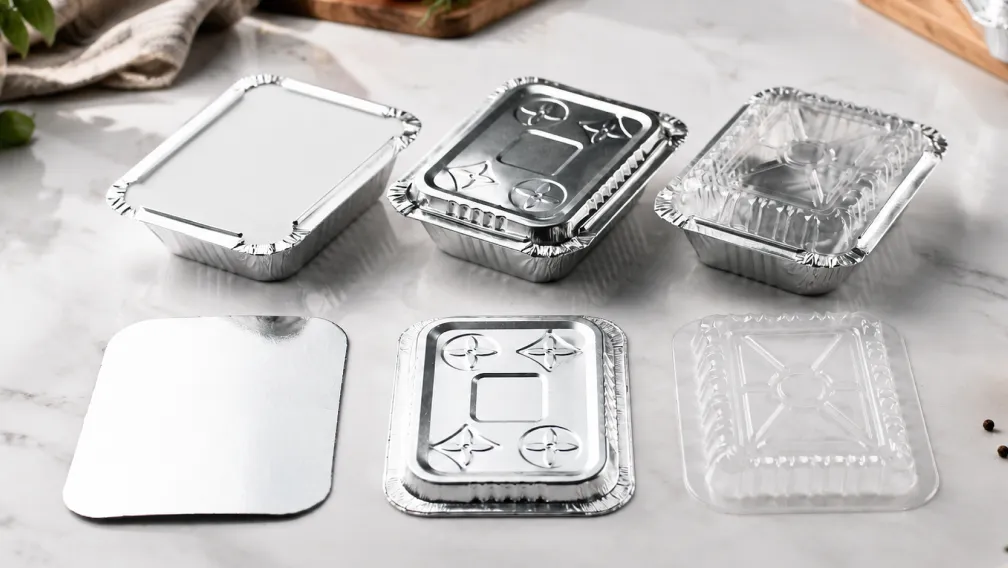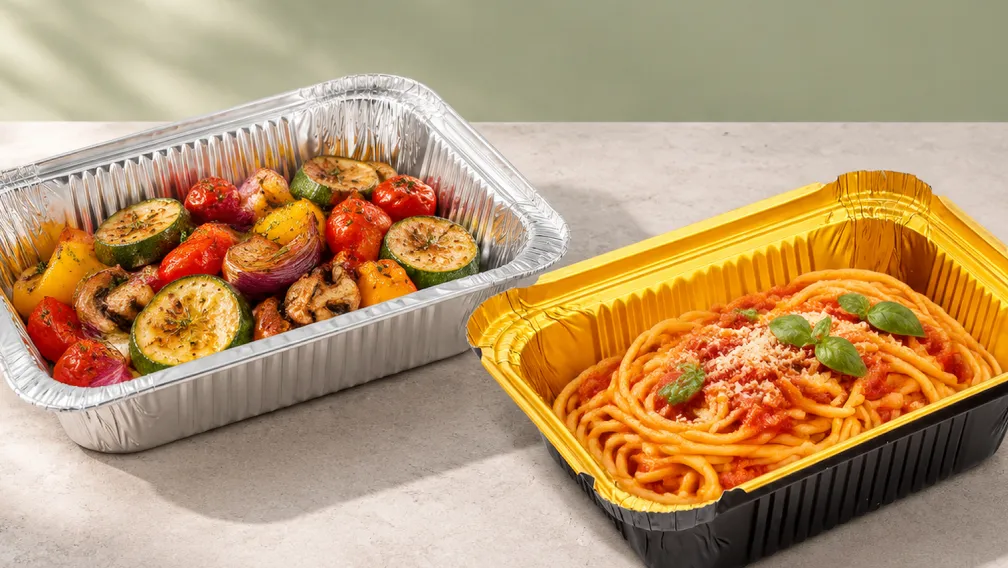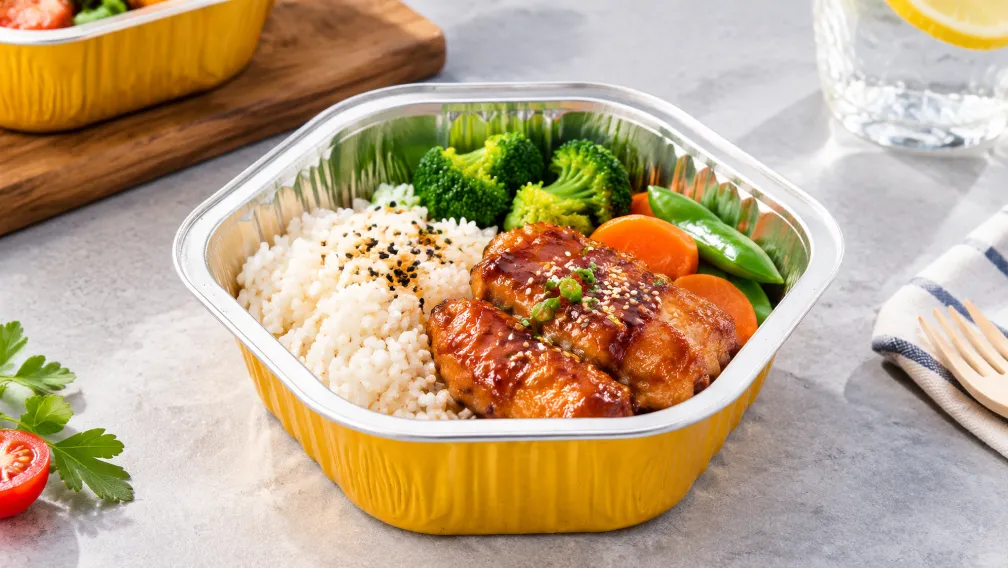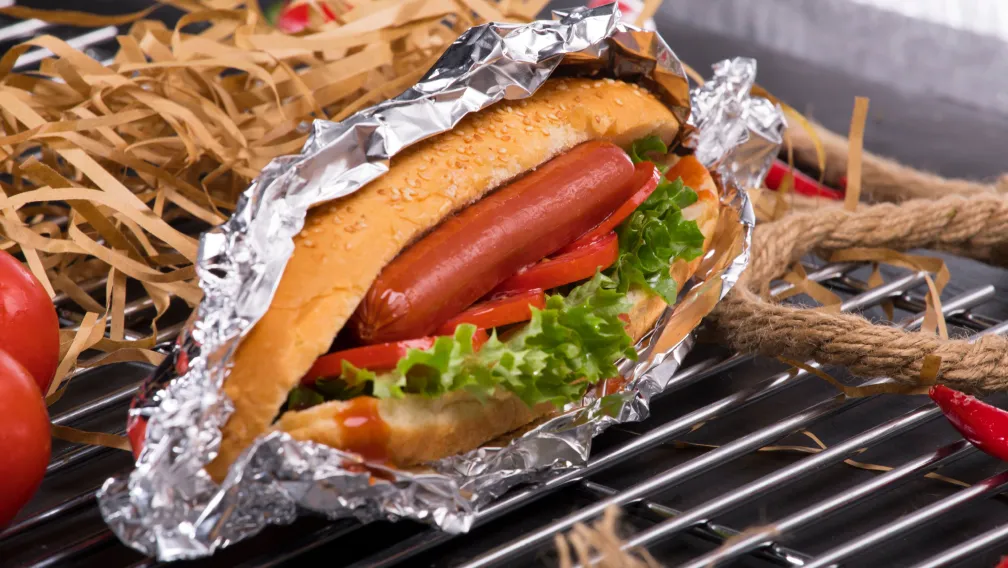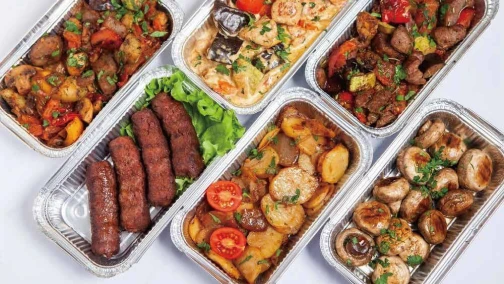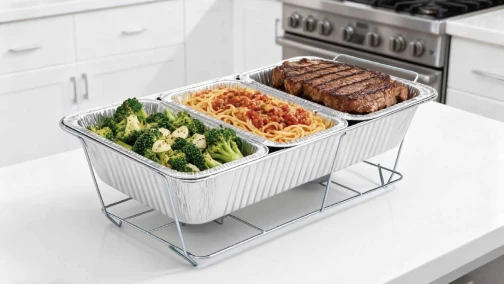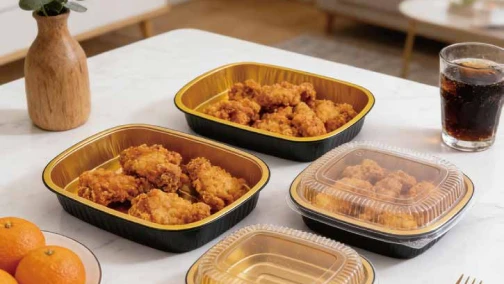


Aluminum is having its strongest year in more than a decade. The London Metal Exchange three-month price touched $3,280 per metric ton on 10 August 2026, roughly 29% above the $2,545 level seen a year earlier and near its highest point since 2022. For buyers of aluminum foil packaging — containers, trays, lids and foil rolls — the rally is not background noise. It is moving straight into raw material costs, and the forces behind it look structural rather than temporary.
Three forces behind the increase
The first force is trade policy. Since April, the United States has assessed its Section 232 aluminum tariff on the full value of imports rather than on added value, a change that raised the effective cost of bringing metal and semi-finished aluminum into the country. On 20 July the White House paired that stance with new investment incentives aimed at rebuilding domestic smelting capacity — a signal that Washington expects the tariff regime to stay in place for years.
The second force is supply risk in the Gulf. The Gulf Cooperation Council region produces about 9% of the world's primary aluminum, and most of it ships through the Strait of Hormuz. Wood Mackenzie estimates that 6.8 million tonnes of annual output are exposed to disruption there, with 3 to 3.5 million tonnes potentially lost in a prolonged closure — a scenario its analysts say could push prices toward $3,500 per ton.
The third force is China. Beijing's 45-million-tonne capacity cap on primary smelting has been in place for years, but output is now pressing against it, leaving little room for Chinese supply to respond when the rest of the world tightens. Visible inventories tell the same story: exchange stocks are at their lowest level this century, and production outside China fell 6.7% year on year in July.
What it means for foil packaging buyers
The cost pressure is already visible in corporate results. Coca-Cola Consolidated cited a $166.7 million headwind from higher aluminum costs, Conagra Brands flagged roughly $200 million, and can maker Crown Holdings raised prices 21% to pass the increase through. Foil packaging sits on the same cost curve: aluminum is the dominant input in every container and tray, so mills and converters are adjusting prices as their own metal costs reset.
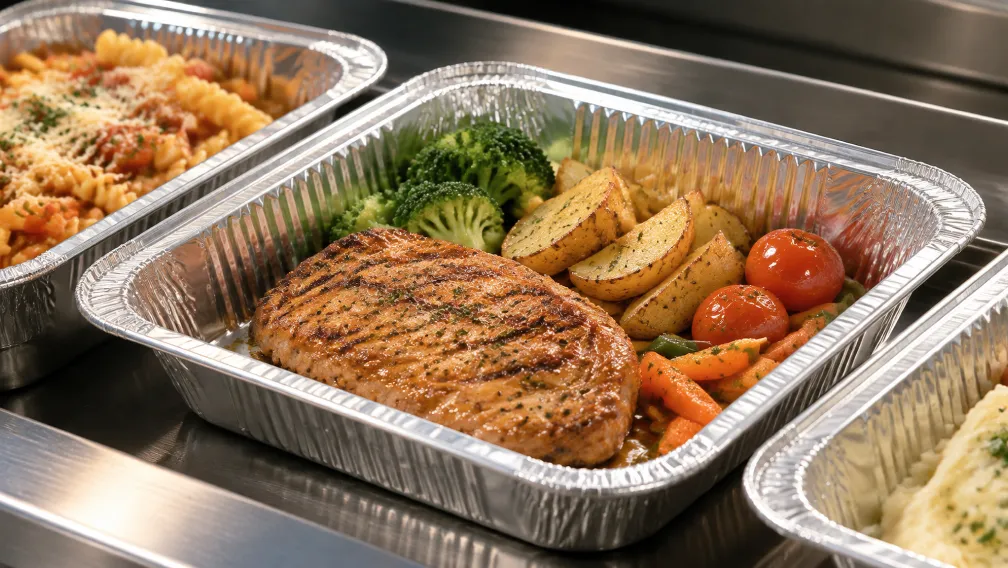
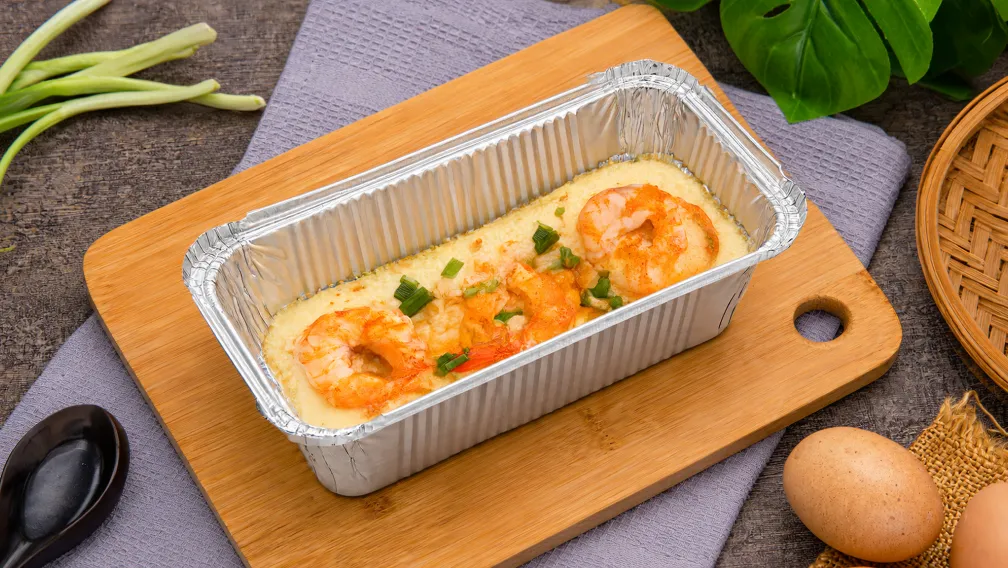
For food brands, caterers and distributors buying aluminum foil containers, the practical implication is that quotes are likely to firm through the second half of 2026, and the usual tactic of waiting for a dip carries more risk than it did a year ago.
What procurement teams should do now
- Lock volumes earlier. With inventories this thin, short lead times are the first thing to go. Securing production slots for Q4 and early 2027 now protects both price and availability.
- Review specifications. Matching container gauge and format to the actual application — rather than over-specifying by default — offsets part of the metal increase without changing performance.
- Diversify formats where possible. Buyers who qualify both wrinkle-wall and smooth-wall lines, or multiple sizes from one supplier, gain flexibility when any single format tightens.
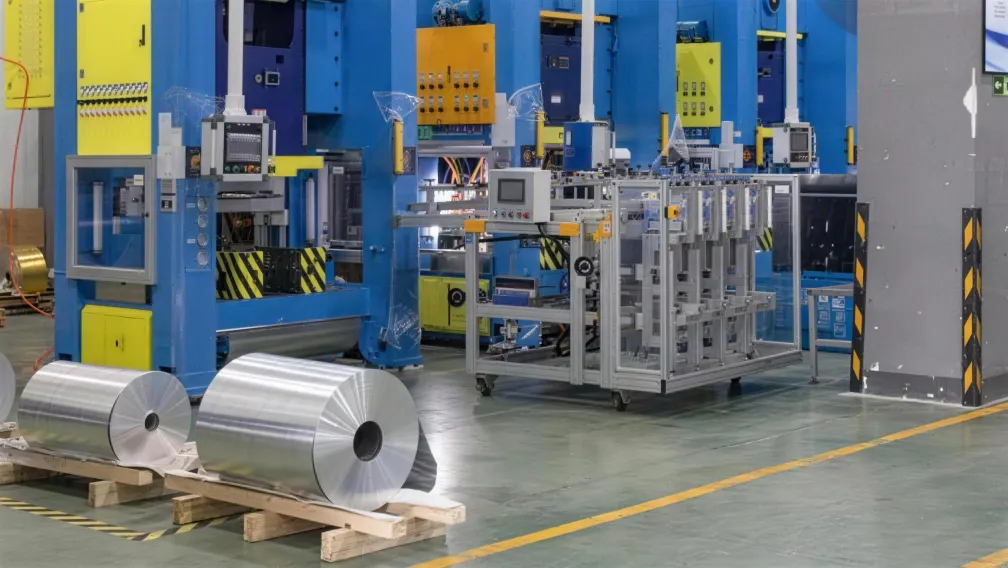
As an aluminum foil packaging manufacturer, we watch the LME curve and the Gulf supply situation closely and adjust our raw material purchasing to keep production steady. Buyers planning for the months ahead are welcome to contact us for current pricing and lead times on foil containers, trays and lids.
Sources
- Capsules & Closures — Aluminum prices surge to multi-year highs (10 August 2026)
- The White House — Adjusting Imports of Aluminum into the United States (20 July 2026)
- EY Tax News — US announces changes to Section 232 aluminum tariffs (21 July 2026)
- Westmetall — LME official aluminum prices
-

SEPACK
Aluminum Foil Packaging Manufacturer
SEPACK supplies aluminum foil containers, rolls, sheets, baking pans, and food wraps to distributors and foodservice businesses in 50+ countries. Headquartered in New York with manufacturing in Shanghai, operating since 2010.