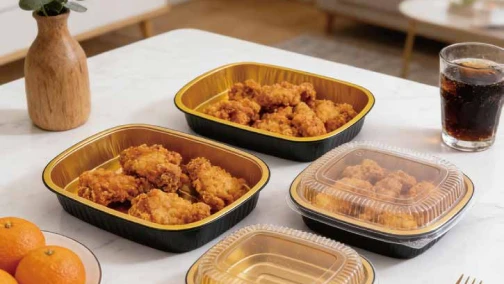


This question comes up a lot, both from people cooking at home and from the food brands we supply, and it deserves a straight, evidence-based reply rather than a scare headline. For normal use with food-grade containers, regulators consider aluminum foil trays safe. The nuance is real, though: acidic and salty foods, high heat, and long contact pull more aluminum into food, and how much you take in across all sources is what matters. Here is what the science shows, which foods to watch, and what we do on the manufacturing side to keep packaging safe.
Are aluminum foil containers safe?
For a healthy person using them normally, yes. The European Food Safety Authority and the U.S. FDA both treat aluminum as an approved food-contact material, and food-grade trays are made to meet those rules. Aluminum is also part of the everyday diet already — it occurs naturally in many vegetables, grains and tea — so a foil tray is one contributor among several, not a new kind of exposure. And the body handles it: in a person with healthy kidneys, roughly 99.9% of the aluminum that comes in with food is cleared out again.
That is the headline. The detail worth understanding is that the amount which transfers from the tray is not a fixed number — it depends on what is in the tray and how it is used.
How aluminum gets into food
Aluminum moves from the metal into food through a slow chemical reaction, and four things drive it: acidity, salt, heat, and contact time. Acidic and salty foods react with the surface and dissolve a little of the metal into the food. Heat speeds that up. So does leaving food in the tray for a long time. Neutral foods at moderate heat for a short bake pick up very little; acidic food at high heat over long contact picks up much more.
The measurements bear this out. Neutral foods like rice or potatoes typically transfer well under 1 mg of aluminum per kg of food. Cook an acidic food in an uncoated tray at around 180°C for an hour and that figure can climb to several mg/kg — testing has found acidic foods raise migration severalfold over neutral ones. The metal is harmless to handle; it is this reaction with certain foods under heat that matters.
| Food in the tray | Aluminum picked up (uncoated, hot) |
|---|---|
| Neutral — rice, potato, bread | Low; usually under 1 mg/kg |
| Acidic — tomato, citrus, vinegar | Higher; can rise severalfold |
| Salty / brined — feta, salted fish | Higher |
| Plus high heat, long contact, reheating | Raises all of the above |
How much is too much?
Regulators set the bar with a tolerable weekly intake, or TWI. The EFSA limit is 1 mg of aluminum per kg of body weight per week, from all sources combined — about 70 mg a week for a 70 kg adult. The key phrase is all sources: food additives, naturally occurring aluminum, water, and food-contact materials all count toward it.
For foil trays on their own, the contribution is usually small. Market surveys put the average intake from contact with aluminum trays and foil at roughly 0.01 to 0.2 mg/kg of body weight per week — well under the 1 mg/kg limit. The caution is cumulative: someone who often cooks or stores acidic, salty foods in bare aluminum, on top of aluminum from everything else, can edge toward the limit. For most people using trays normally, that is not the situation.
Which foods to watch
The foods that pull the most aluminum are the acidic and the salty ones. In practice that means tomato-based dishes and sauces, citrus and lemon marinades, vinegar-heavy foods, pickles, sauerkraut, apple, and brined or salted items like feta or salted fish. The transfer goes up further when these are cooked hot, or cooked and then stored in the same tray for days — the cook-chill pattern some kitchens use — because the long contact keeps the reaction going. For those foods, bare aluminum is the wrong choice.
How food-grade and coated trays change the picture
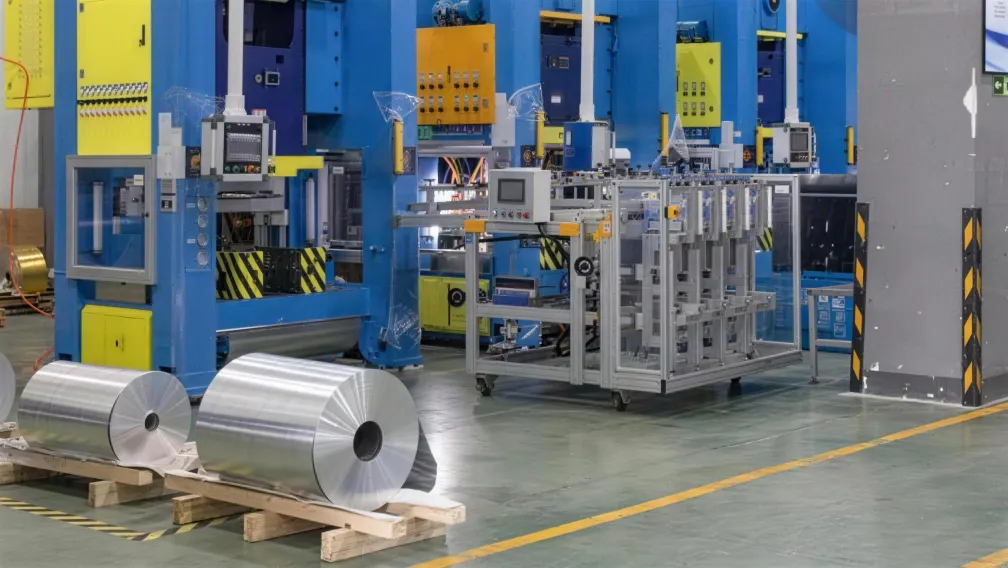
This is where the container itself does the work. Two things on the manufacturing side reduce aluminum transfer: the alloy and a coating. Food-grade alloys such as 3003 and 8011 are made for food contact and meet FDA and EU rules. More importantly for acidic and salty foods, a lacquered or coated tray puts a thin food-safe barrier between the metal and the food, so the acid never reaches the aluminum surface. For a tomato lasagna, a citrus marinade, or a brined product meant to sit for days, a coated container largely takes the leaching question off the table. We spec coated foil for exactly these applications, with food-grade alloy as standard.
What about the link to Alzheimer’s?
It is worth addressing directly, because it drives a lot of the worry. Older theories tied aluminum to Alzheimer’s disease, but current scientific evidence does not establish that normal dietary or food-contact exposure causes it. Limits like the EFSA TWI exist as a precaution, set conservatively to protect even sensitive groups — in particular people with impaired kidney function, who clear aluminum less effectively than healthy kidneys do. For the average healthy person, food-safety authorities consider normal use safe. The sensible reading is neither alarm nor dismissal: use food-grade or coated trays, go easy on bare aluminum with acidic foods, and there is no cause for concern.
Practical rules for safe use
- Use food-grade aluminum trays — that is the baseline for food contact.
- For acidic or salty foods, choose a coated or lacquered container rather than bare foil.
- Avoid storing acidic foods in bare aluminum for days; move leftovers to glass or ceramic for long storage.
- Keep high-heat cooking of acidic foods in bare foil short, or use a coated tray.
- Do not reuse a tray that is heavily scratched or pitted, especially with acidic food.
- Remember that total aluminum comes from many sources, so varying your cookware lowers the cumulative load.
Sourcing food-safe foil packaging? We manufacture food-grade aluminum foil containers, including lacquered and coated trays for acidic and salty products, all compliant with FDA, BRC, ISO and SGS standards, with OEM and private-label options. Tell us your food type and volume, and we will spec the right alloy and coating and send samples.
FAQ
Is it safe to cook food in aluminum foil containers?
For most people, yes, when food-grade trays are used normally. Regulators including EFSA and the FDA treat aluminum as an approved food-contact material. The main caution is acidic and salty foods at high heat or long contact, where a coated tray is the safer choice.
Does aluminum leach into food from foil trays?
A small amount can, through a slow reaction driven by acidity, salt, heat, and contact time. Neutral foods transfer very little; acidic or salty foods cooked hot or stored long transfer more. A lacquered or coated tray cuts this down.
How much aluminum is safe to consume?
EFSA sets a tolerable weekly intake of 1 mg per kg of body weight from all sources — about 70 mg a week for a 70 kg adult. Typical intake from foil-tray contact is far below that, but it counts toward a cumulative total from all sources.
Which foods should not be cooked or stored in bare aluminum?
Acidic and salty foods — tomato sauce, citrus and lemon marinades, vinegar dishes, pickles, sauerkraut, apple, and salted items like feta. Use a coated container for these, or move them to glass or ceramic for long storage.
Is aluminum foil linked to Alzheimer’s disease?
Current scientific evidence does not establish that normal dietary or food-contact aluminum causes Alzheimer’s. Safety limits are set as a precaution, mainly to protect people with reduced kidney function. For healthy people, authorities consider normal use safe.
Are coated aluminum trays safer than uncoated ones?
For acidic and salty foods, yes. The coating is a food-safe barrier that keeps the food from reacting with the metal, which sharply reduces aluminum transfer. For neutral foods at moderate heat, uncoated food-grade trays are already low.
-

SEPACK
Aluminum Foil Packaging Manufacturer
SEPACK supplies aluminum foil containers, rolls, sheets, baking pans, and food wraps to distributors and foodservice businesses in 50+ countries. Headquartered in New York with manufacturing in Shanghai, operating since 2010.