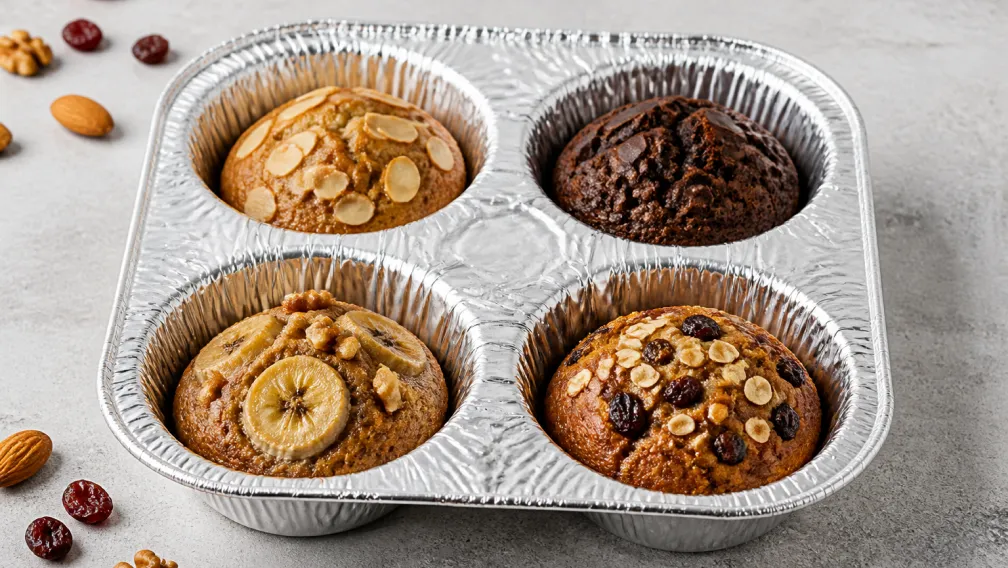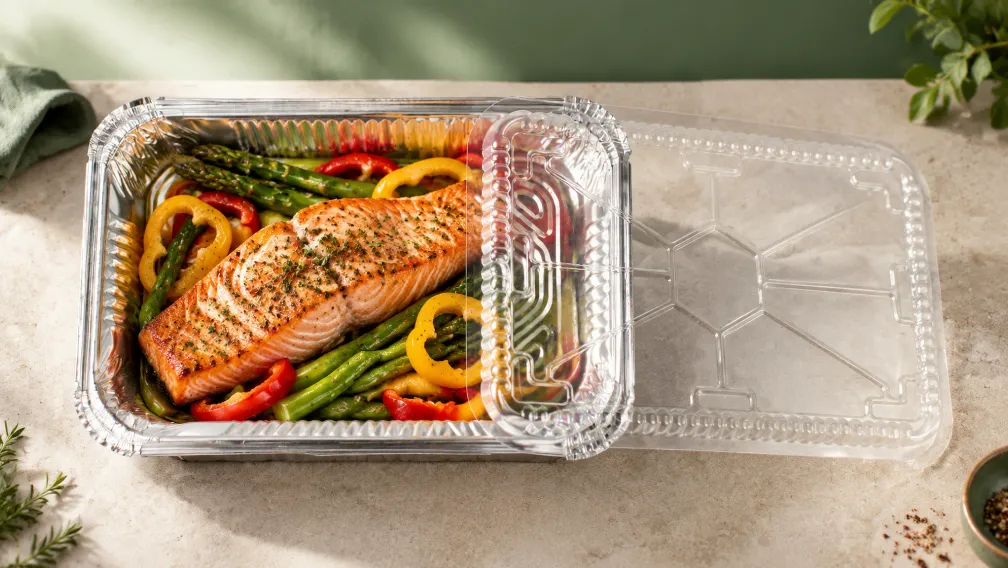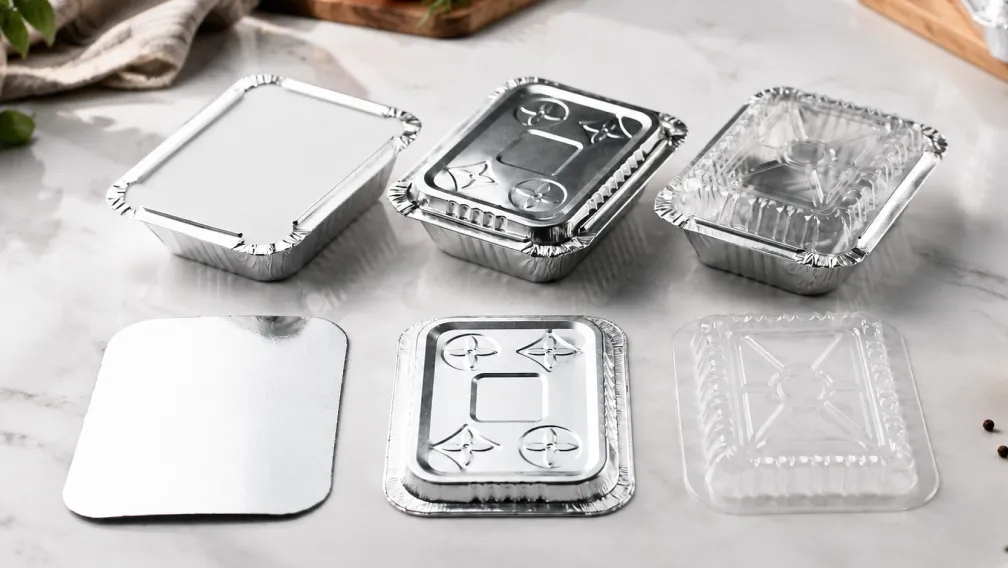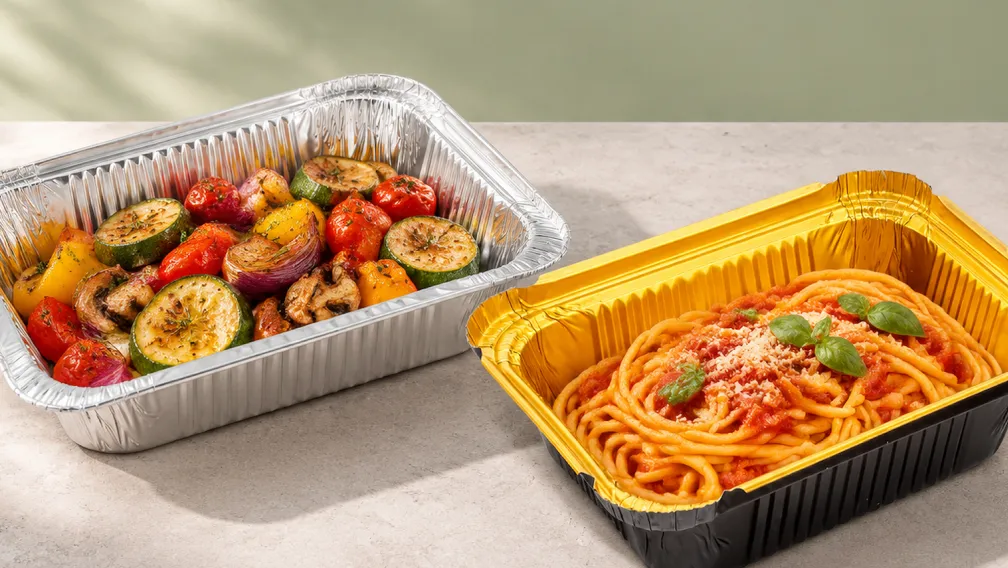


In high-throughput European commercial bakeries and industrial bread plants, baking pan performance directly dictates crumb structure, crust coloration, energy consumption, and line automation efficiency. Industrial baking engineers specifying disposable and semi-rigid aluminum bake-ware—including aluminum sheet cake pans, aluminum loaf pans, and multi-cavity aluminum muffin trays—must balance thermal conductivity, gauge thickness, alloy temper, and food-release properties. Traditional heavy cast-iron or carbon steel molds require intensive washing cycles, greasing labor, and high capital investment, whereas precision-stamped aluminum foil baking pans offer a hygienic, single-use or recyclable alternative that optimizes heat transfer. This technical guide examines the metallurgy, thermodynamic principles, coating technologies, and automated depanning characteristics of industrial aluminum foil baking pans.
Metallurgical Selection: 3003 versus 8011 Alloys for High-Temperature Baking
The structural reliability of an industrial baking pan during continuous exposure to 220°C to 280°C convection ovens depends on precise alloy specification. Commercial foil pans are stamped from two primary wrought aluminum alloys.
1. 3003 Alloy (Al-Mn System)
Alloy 3003 contains approximately 1.0% to 1.5% manganese, which increases mechanical strength by roughly 20% compared to commercially pure aluminum without significantly reducing thermal conductivity. In high-depth applications such as commercial loaf pans and deep-drawn baking molds, 3003 alloy exhibits superior resistance to thermal sagging and creep deformation under heavy dough loads. Its higher recrystallization temperature ensures that the pan maintains dimensional stability across hundreds of thermal cycles in automated rack ovens.
2. 8011 Alloy (Al-Fe-Si System)
Alloy 8011 incorporates controlled additions of iron and silicon, providing exceptional formability and deep-draw characteristics. It is the preferred material for intricate geometries such as fluted pie pans and multi-cavity muffin pans. While slightly softer than 3003 at elevated temperatures, proper gauge selection (ranging from 60 to 90 microns for lightweight pans up to 150 microns for commercial sheet pans) ensures absolute structural integrity during batter deposition and oven transport.
Thermodynamics: Heat Transfer Coefficients and Oven Spring Optimization
The primary operational advantage of aluminum over traditional ceramic, glass, or heavy steel pans lies in its exceptional thermal properties. Aluminum possesses a thermal conductivity of approximately 235 W/(m·K), paired with a high specific heat capacity and high infrared reflectivity.
| Bake-Ware Material | Thermal Conductivity (W/m·K) | Density (g/cm³) | Thermal Response Time | Primary Industrial Benefit |
|---|---|---|---|---|
| Commercial Carbon Steel | 50 | 7.85 | Slow | High heat retention, heavy mass |
| Cast Iron | 52 | 7.20 | Very Slow | Extended thermal inertia |
| Aluminized Steel | 45 – 60 | 7.85 | Moderate | Coated steel durability |
| Wrought Aluminum Foil (3003/8011) | 235 | 2.71 | Rapid (< 30 seconds) | Fast heat penetration, uniform crust formation, lightweight |
When raw dough or batter is loaded into a pre-heated commercial oven, rapid heat penetration is critical for achieving optimal "oven spring"—the rapid expansion of gas bubbles and steam within the dough matrix during the first 10 minutes of baking. Because aluminum transfers heat nearly five times faster than carbon steel, thermal energy penetrates the base and sidewalls of sheet cake pans almost instantaneously. This accelerates starch gelatinization and protein denaturation, preventing dense, unbaked layers at the bottom of heavy cakes and ensuring an even, golden-brown crust across delicate sponge cakes and pastries.

Surface Engineering: Silicone Coatings and Food-Release Mechanics
While bare aluminum provides excellent heat transfer, high-protein bread doughs and high-sugar cake batters can adhere to microscopic asperities on the metal surface during baking, causing product tearing upon release. To eliminate the need for manual oil greasing or paper liners, industrial aluminum baking pans can be engineered with specialized food-contact coatings.
Silicone and Organosiloxane Coatings
Food-grade silicone emulsions or thermosetting organosiloxane lacquers are roller-coated onto the aluminum coil prior to stamping. During the curing phase, the silicone molecules cross-link into a dense, hydrophobic network with a surface energy below 20 mN/m. This low surface tension prevents sugar syrups, egg proteins, and gluten strands from wetting the metal substrate. Baked goods release cleanly from loaf pans and muffin cups without requiring secondary releasing agents, reducing chemical aerosol usage in the bakery and eliminating post-bake pan washing labor.
Embossed Micro-Texturing
In addition to chemical coatings, high-speed stamping presses can impart micro-patterned dimples or diamond-rib textures onto the bottom and sidewalls of baking pans. This micro-texture reduces the actual contact area between the dough and the metal by up to 30%, trapping microscopic layers of steam beneath the crust to facilitate effortless mechanical release.
Structural Stiffening: Flange Ribs, Corner Coining, and Stackability
Industrial baking operations subject pans to severe mechanical handling: automated destacking, high-speed batter deposition, conveyor belt vibration, and pneumatic depanning. Plain stamped foil would warp under these stresses. Engineers incorporate specific structural reinforcements:
Perimeter Beading (Full Curl & Hemmed Rims): Rolling the raw aluminum edge into a tubular bead increases the torsional rigidity of the pan rim by over 40%, preventing flexing when lifted by robotic vacuum grippers.
Corner Coining: Deep-drawn pans such as square cake pans and rectangular roasting molds feature coined, pleated, or radius-optimized corners that distribute mechanical stress evenly, preventing localized tearing under thermal expansion.
Nesting Shoulders (Stacking Lugs): Designed with precision shoulder steps on the upper sidewall, stacked pans prevent jamming and wedging during automatic gravity-feed denesting on high-speed industrial conveyor lines.
Hygienic Compliance and Single-Use vs. Multi-Trip Economics
In modern industrial baking, food safety (HACCP) and allergen control are paramount. Reusable metal pans require high-temperature industrial washing machines, caustic detergents, and extensive water consumption. Furthermore, microscopic scratches in traditional pans harbor bacterial growth and cross-contaminate gluten-free production lines with wheat allergens.
Disposable or recyclable aluminum foil baking pans eliminate allergen cross-contamination entirely. Each batch is baked in a pristine, factory-new mold. At end-of-life, used aluminum pans are collected and recycled through municipal or industrial Eddy Current streams, consuming only 5% of the primary energy required for raw aluminum production. This circularity aligns perfectly with European sustainability mandates and corporate ESG objectives.
Specifying the Correct Baking Pan for Your Industrial Line
Migrating from traditional heavy bake-ware to precision-engineered aluminum foil pans requires matching alloy temper, gauge thickness, and coating specifications to your specific product density and oven profile. Explore our complete range of aluminum sheet cake pans, aluminum loaf pans, and muffin pans, or consult our engineering team for custom tooling and trial sample programs.
-

SEPACK
Aluminum Foil Packaging Manufacturer
SEPACK supplies aluminum foil containers, rolls, sheets, baking pans, and food wraps to distributors and foodservice businesses in 50+ countries. Headquartered in New York with manufacturing in Shanghai, operating since 2010.