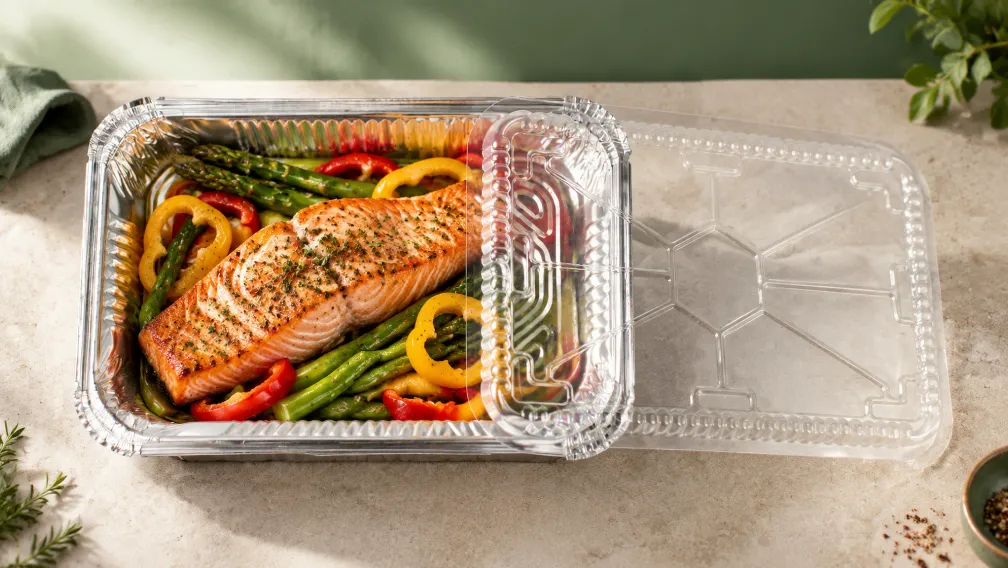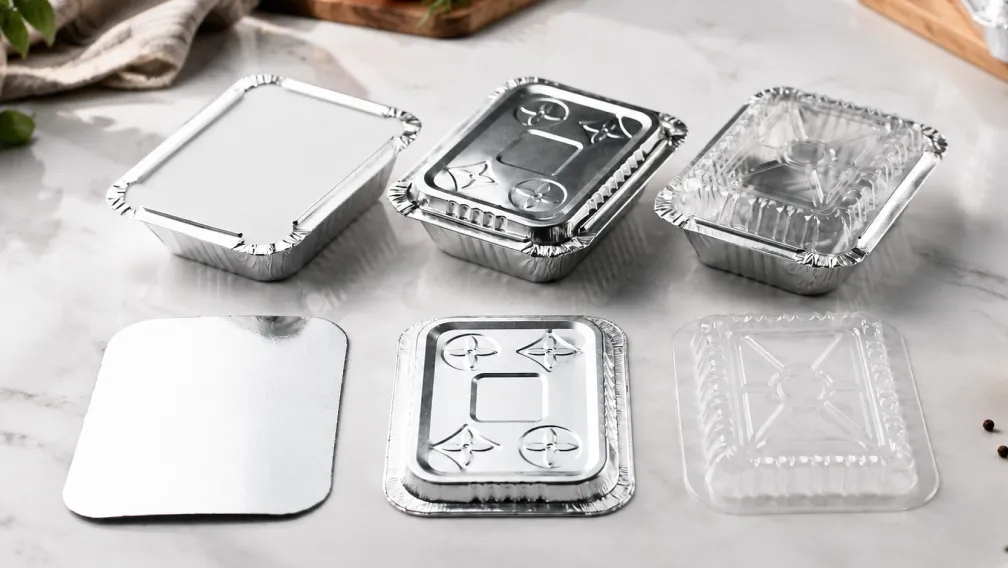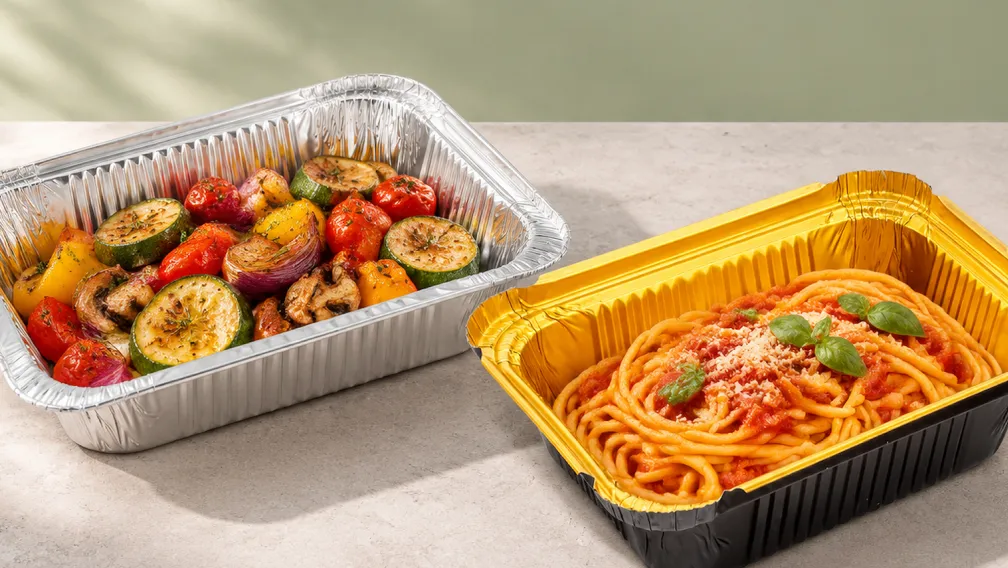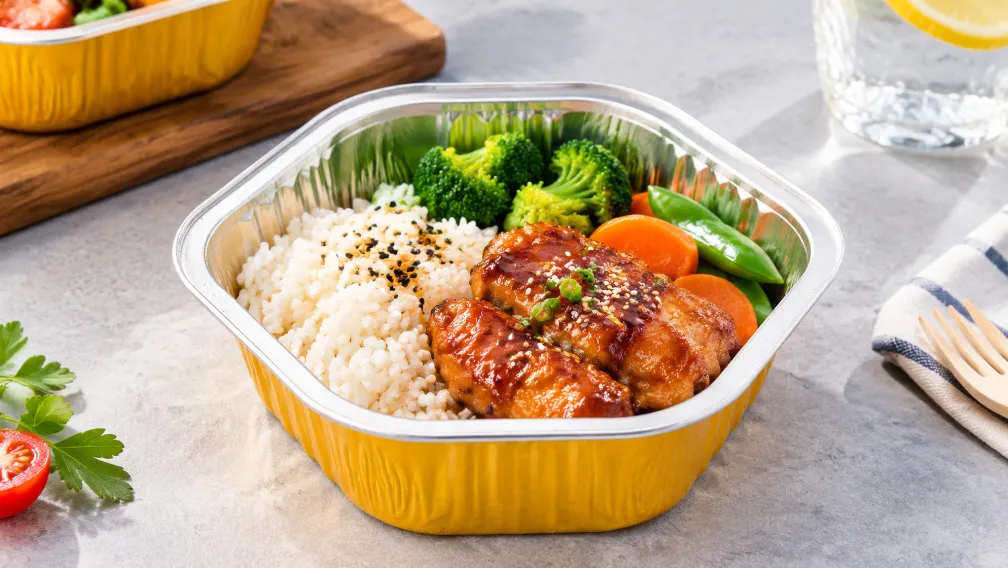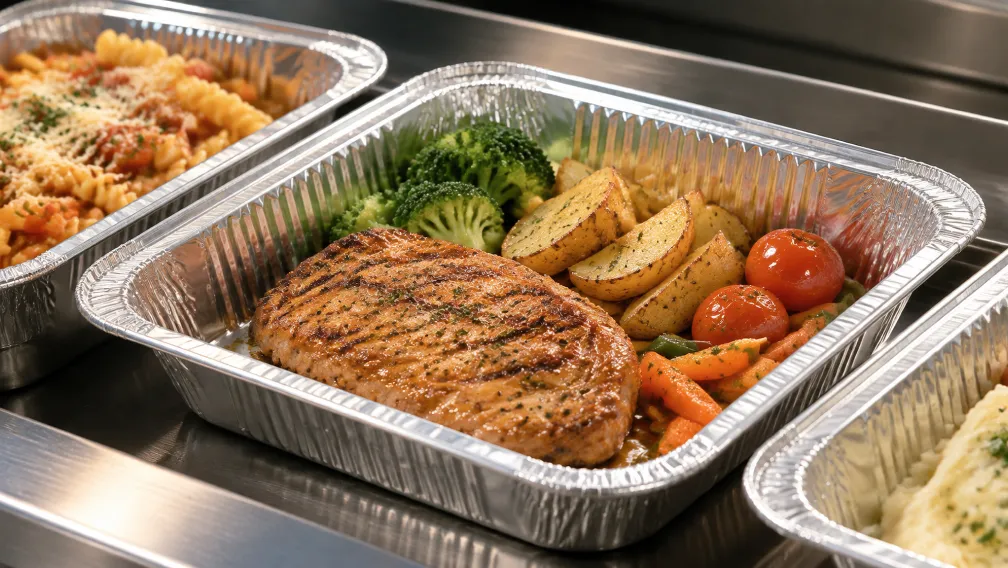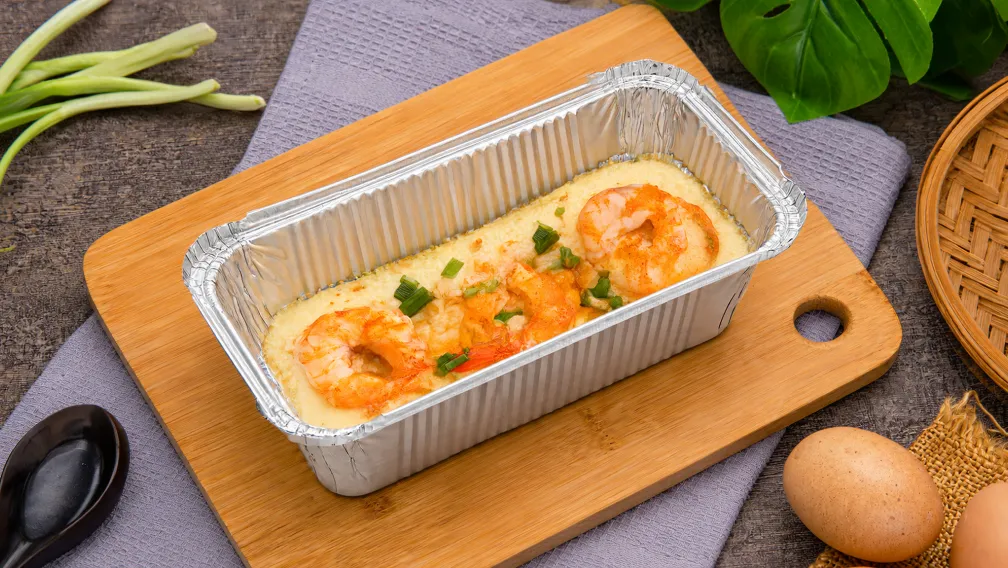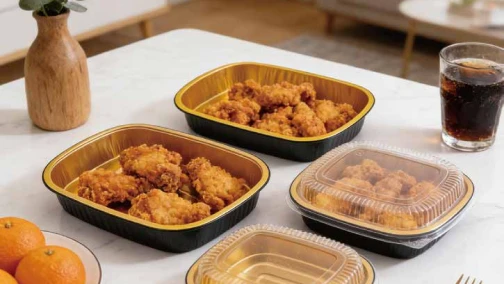


The European ready-meal and convenience food supply chain is currently executing a rapid material transition. Legislated by the Single-Use Plastics Directive (SUPD) and heavily penalized by escalating Extended Producer Responsibility (EPR) eco-taxes, food processors are systematically abandoning Crystallized Polyethylene Terephthalate (CPET) and black plastic trays. The primary structural substitute driving this transition is the alu foil container. However, a significant operational hurdle exists not within the manufacturing plant, but at the retail consumer level: the pervasive, historical myth that metal packaging cannot be placed inside a microwave oven. For B2B procurement directors and packaging engineers, dispelling this myth through applied physics, structural container geometry, and empirical testing is critical to unlocking the massive EPR tax advantages of metallic packaging in the EU market.
The Physics of 2.45 GHz Electromagnetic Waves and Metal
To engineer a microwave-safe metallic container, one must first analyze the interaction between electromagnetic radiation and conductive materials. Commercial and residential microwave ovens operate at a standard frequency of 2.45 GHz. At this frequency, microwaves readily penetrate dielectric materials like water, fats, and sugars, causing rapid molecular friction and subsequent thermal heating.
When these 2.45 GHz waves encounter a highly conductive material like aluminum, they do not penetrate; they reflect. The danger associated with microwaving metal—specifically the sparking phenomenon known as "arcing"—does not stem from the metal itself, but rather from the geometry of the metal object. Arcing occurs when the electromagnetic field concentrates at sharp points, jagged edges, or deep crevices (such as the tines of a fork or crumpled sheets of raw foil). If the electrical potential difference between these sharp points and the surrounding environment exceeds the dielectric breakdown strength of air, a high-voltage spark jumps across the gap.
Smooth-Wall Geometry and Arcing Prevention
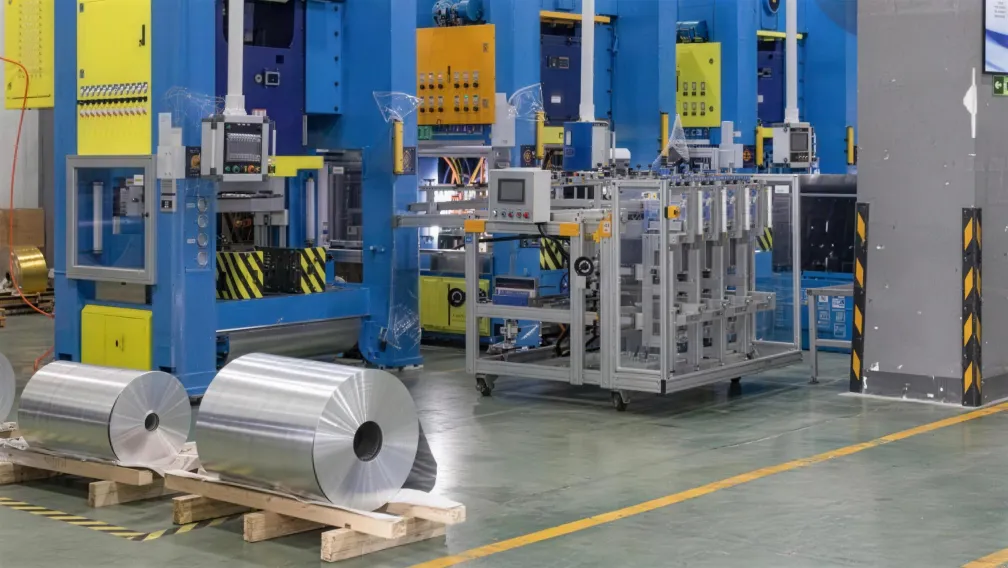
Modern commercial packaging engineering has entirely neutralized the arcing risk. High-performance alu foil containers utilized for European ready meals are typically manufactured using the smooth-wall stamping process. Drawn from high-elongation 8006 aluminum alloy, these trays feature continuous, sweeping radii at the base corners and perfectly planar, uninterrupted flanges (the top sealing rim).
Because the die-stamping process "irons" the metal completely flat, there are zero sharp points, jagged edges, or crumpled creases where an electromagnetic field could concentrate. The smooth, curved geometry dissipates the electrical charge evenly across the entire surface of the container. Extensive empirical studies conducted by the Fraunhofer Institute for Process Engineering and Packaging (IVV) in Germany, commissioned by the European Aluminium Foil Association (EAFA), have conclusively demonstrated that properly manufactured shallow foil trays present zero arcing risk in standard microwave ovens, provided basic operational guidelines are followed.
Top-Down Thermal Penetration and Edge-Burn Prevention
Because microwaves reflect off the aluminum sidewalls and base, the heating dynamics within a foil tray differ fundamentally from those within a transparent CPET plastic tray. In a plastic tray, microwaves penetrate the food mass from all 360 degrees. This often leads to severe localized overcooking, particularly at the corners and edges of the meal, resulting in dehydrated, burnt food perimeters while the center remains frozen.
An alu foil container acts as a highly effective thermal shield for the sides and bottom of the meal. The microwaves can only penetrate the food mass from the open top surface (top-down heating). To optimize this dynamic, microwave-safe aluminum trays are engineered with a wide, shallow footprint rather than a narrow, deep cavity. This maximizes the exposed surface area of the food, allowing uniform top-down penetration.
Furthermore, aluminum possesses an exceptional thermal conductivity rating of approximately 235 W/(m·K). As the top layer of the food heats up, the conductive aluminum walls instantly absorb the excess thermal energy and distribute it evenly across the bottom and sides of the container. This unique combination of microwave shielding and rapid thermal equalization entirely eliminates the "edge-burn" defect that plagues plastic ready meals, yielding a superior, evenly heated culinary experience.
Polymer Coatings for High-Temperature EFSA Compliance
Microwave heating accelerates chemical reactions. When packaging aggressive European recipes—such as high-acid tomato pasta bakes, citrus-marinated poultry, or salt-heavy curries—the bare aluminum substrate requires biochemical protection to comply with strict European Food Safety Authority (EFSA) migration limits.
To prevent galvanic corrosion and pitting during prolonged shelf storage and subsequent microwave thermal shocks, these specialized alu foil containers are coil-coated prior to stamping. Manufacturers apply food-grade, BPA-NI (Bisphenol A Non-Intent) epoxy or advanced polyester lacquers. Applied at highly controlled dry-film weights (typically 5 to 10 grams per square meter), these polymer barrier coatings isolate the acidic food from the metal. Crucially, these coatings are engineered to withstand the intense 100°C+ localized temperatures generated by boiling fats and sugars during the microwave cycle without blistering, delaminating, or migrating into the food mass, ensuring absolute compliance with EU Regulation (EC) No 1935/2004.
Mandatory Consumer Instructions for Retail Success
While the physics and engineering of the tray guarantee safety, human error remains a variable. For a food brand to successfully launch an aluminum-packaged ready meal into the European retail sector, clear consumer instructions must be printed directly on the outer cardboard sleeve or lidding film. The Fraunhofer Institute guidelines dictate three non-negotiable operational rules for microwaving foil containers:
First, the consumer must completely remove the aluminum foil lid or polymer sealing film. The tray must be entirely open to allow top-down microwave penetration. Second, the container must be placed exactly in the center of the microwave's rotating glass turntable. Third, the aluminum tray must not physically touch the interior metallic walls of the microwave cavity (requiring a minimum clearance of 2 to 3 centimeters). If the tray touches the cavity wall, it creates a direct electrical ground, which can induce arcing. By communicating these simple pictograms on the packaging, food processors ensure a flawless and safe consumer experience.

The Economic Catalyst: CPET vs. Aluminum in EU EPR Frameworks
The ultimate justification for executing consumer education campaigns and transitioning to microwave-safe aluminum lies in the harsh financial realities of European packaging taxes. The Extended Producer Responsibility (EPR) framework levies heavy eco-taxes on food producers based entirely on end-of-life recyclability.
Multi-layer plastics and black CPET trays incur punitive tax multipliers. They absorb Near-Infrared (NIR) sorting lasers in municipal recycling facilities, rendering them invisible to automated sorters and resulting in landfill or incineration. Conversely, aluminum is a permanent material that degrades zero percent during recycling. In European Material Recovery Facilities (MRFs), automated Eddy Current Separators (ECS) cleanly repel aluminum trays from the mixed waste stream with near-100% efficiency. Because recycling aluminum requires only 5% of the primary energy needed to smelt raw bauxite ore, authorities classify it in the absolute lowest EPR taxation tiers.
For a high-volume food manufacturer producing millions of ready meals annually, replacing CPET with engineered alu foil containers triggers a massive, immediate reduction in EPR tax liabilities. This multi-million-euro operational saving heavily subsidizes the packaging transition, rendering the microwave-safe aluminum tray the most fiscally and environmentally strategic choice in the modern European food supply chain.
-

SEPACK
Aluminum Foil Packaging Manufacturer
SEPACK supplies aluminum foil containers, rolls, sheets, baking pans, and food wraps to distributors and foodservice businesses in 50+ countries. Headquartered in New York with manufacturing in Shanghai, operating since 2010.