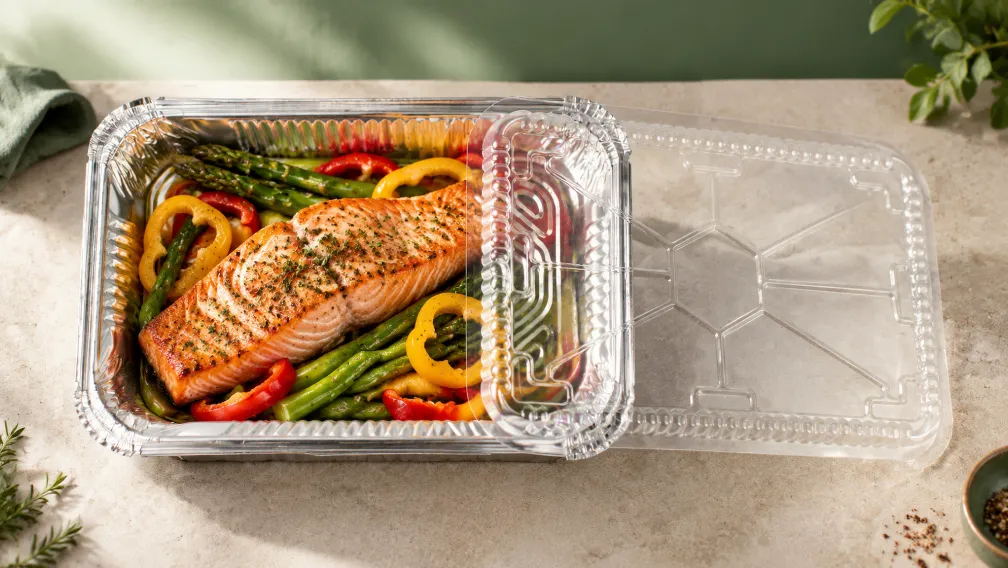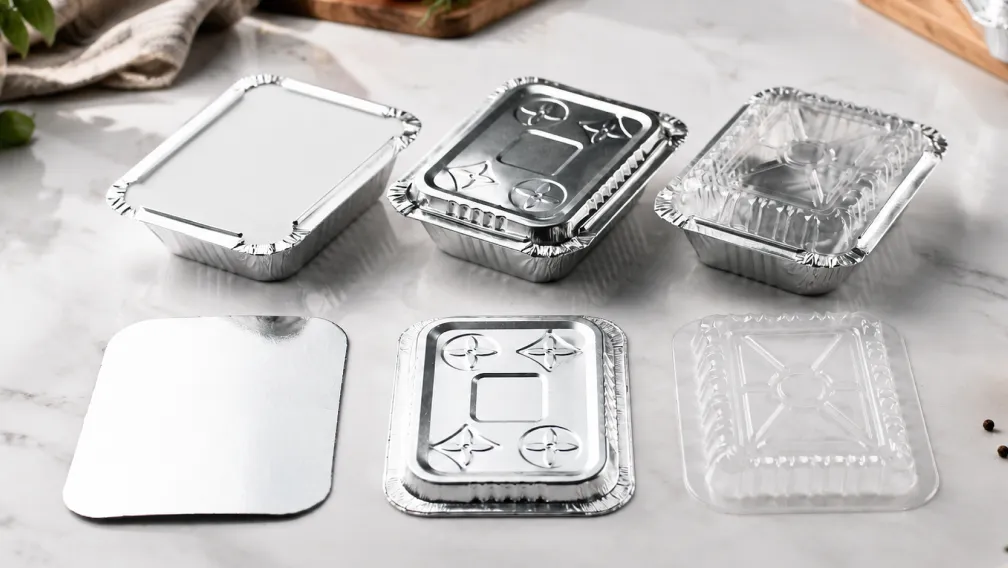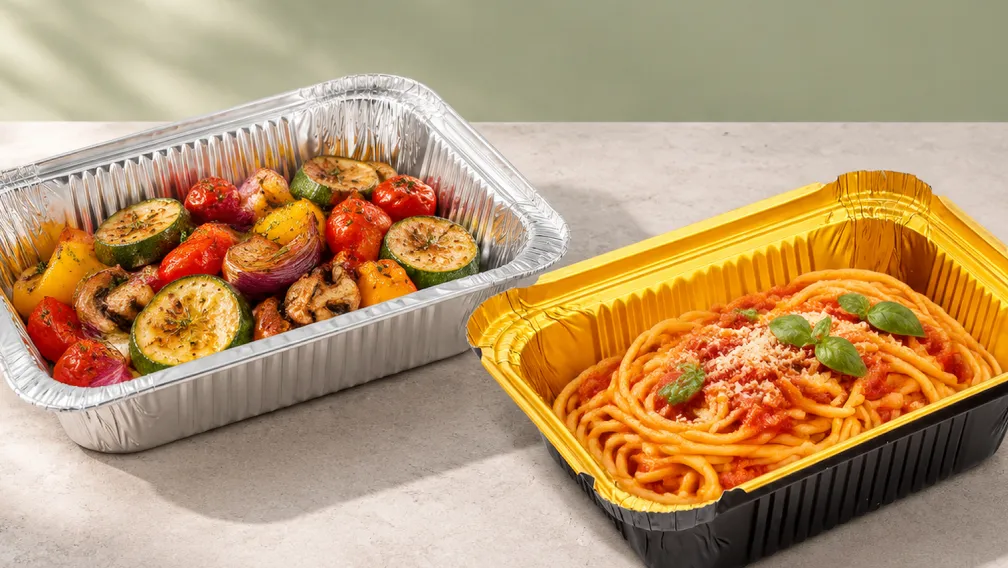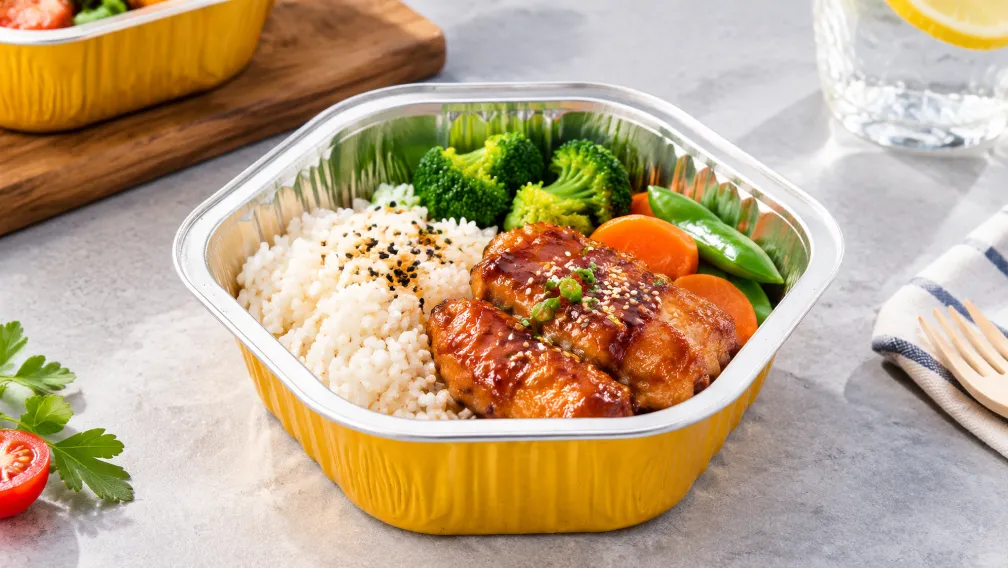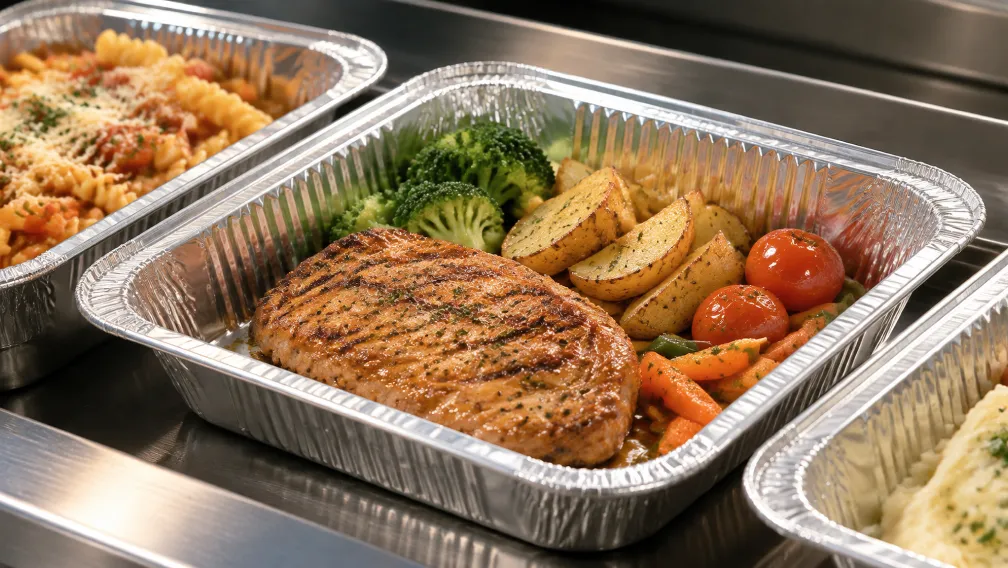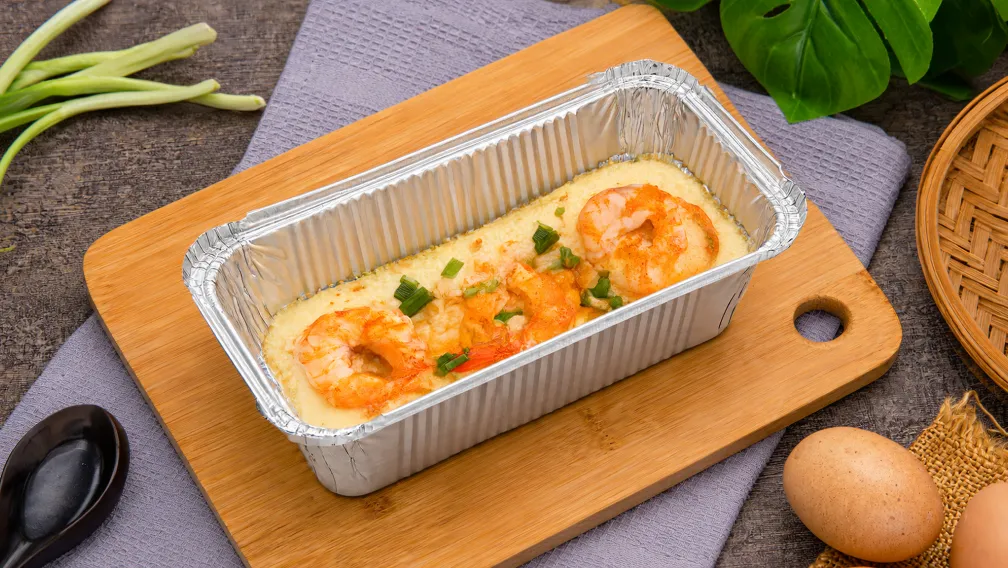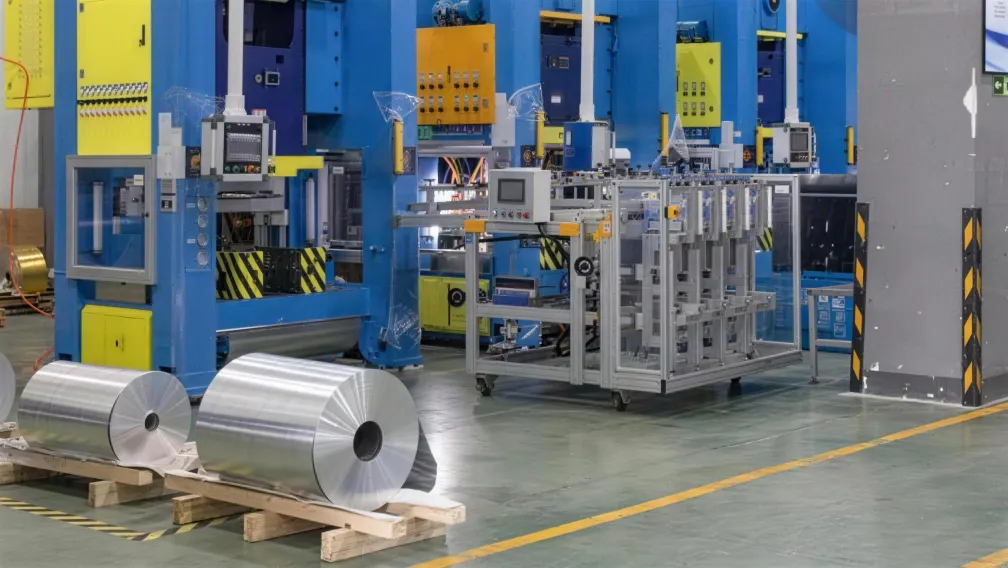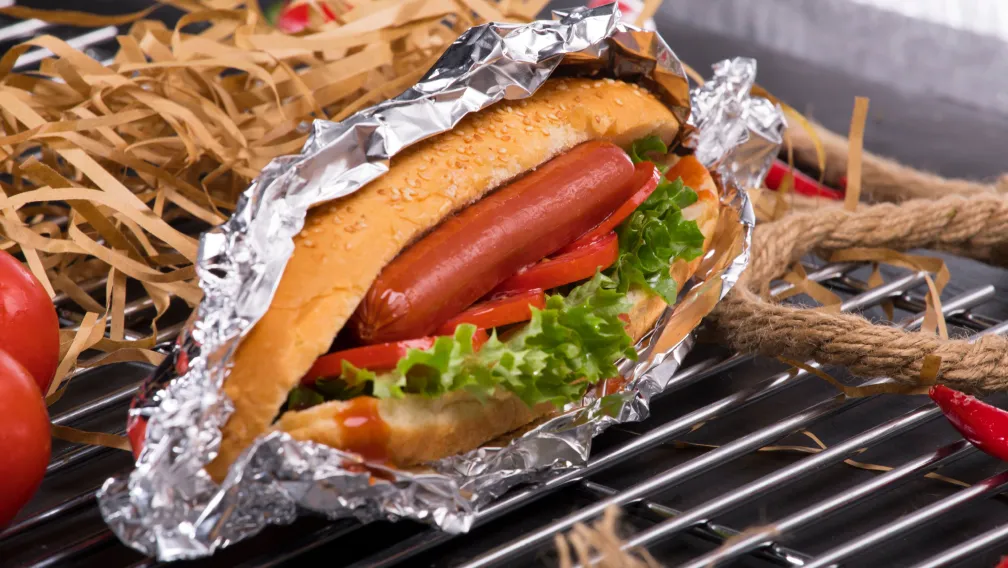


The European food service and packaging sectors are undergoing a structural transformation driven by legislative mandates. At the forefront of this shift is the European Union's Single-Use Plastics Directive (SUPD), coupled with tightening rules under the Packaging and Packaging Waste Regulation (PPWR). Food processors, catering groups, and municipal packaging buyers are systematically eliminating problematic single-use plastics—such as expanded polystyrene and non-recyclable composite trays—from their supply chains. Within this regulatory framework, foil trays have emerged as the definitive benchmark for legal compliance, high-performance thermal execution, and optimized Extended Producer Responsibility (EPR) financial modeling.
2>The Legislative Pressure of the EU Single-Use Plastics Directive (SUPD)The SUPD was enacted to curb the environmental footprint of specific single-use plastic items that frequently litter European coastlines and urban zones. While the directive explicitly bans various polymer items, it also casts a broad shadow over composite containers that combine paperboard or plastics with thin polymer barriers that resist municipal recycling systems. Food brands that fail to adapt face substantial financial penalties, market restrictions, and severe reputational risks.
For industrial food packers, replacing plastic requires a material that satisfies stringent legal definitions while maintaining structural and barrier performance. Unlike transitional bio-plastics—which often suffer from thermal degradation during baking or moisture permeability during cold-chain storage—aluminum operates as an inert, permanent material. Stamped foil trays comply inherently with SUPD restrictions because they contain zero banned polymers, positioning food brands on safe regulatory ground across all EU member states.
2>Metallurgical Superiority and Hermetic Seal IntegrityRegulatory compliance alone is insufficient for high-volume commercial food operations; packaging must perform flawlessly across industrial filling, sealing, and distribution lines. Aluminum foil trays are engineered from food-grade alloys such as 8011 or 3003, providing high tensile strength and puncture resistance.
When utilized in Modified Atmosphere Packaging (MAP) lines for ready-meal production, smooth-wall and wrinkle-wall foil trays deliver absolute hermetic sealing capabilities. The planar flange interfaces seamlessly with polymer lidding films under precise heat and pressure parameters, locking in flushed nitrogen or carbon dioxide gas mixtures. This ensures extended shelf-life without chemical preservatives, meeting the strict distribution demands of European supermarket supply chains.
2>EPR Financial Optimization and Eddy Current SortingBeyond direct material bans, the economic reality of European packaging procurement is heavily governed by Extended Producer Responsibility (EPR) fee structures (such as Germany’s VerpackG or France’s CITEO framework). EPR fees penalize packaging formats that complicate municipal sorting or degrade during recycling.
Composite plastics and black plastics that absorb near-infrared (NIR) sorting lasers incur massive eco-tax multipliers because they typically end up in landfills or incineration streams. Conversely, aluminum is infinitely recyclable without metallurgical degradation. In municipal Materials Recovery Facilities (MRFs), foil trays are captured with near-100% efficiency using Eddy Current Separators (ECS), which magnetically repel the conductive aluminum from mixed waste streams. Because recovered aluminum requires only 5% of the energy needed for primary smelting, European eco-tax authorities categorize aluminum in the lowest tax brackets. Shifting high-volume packaging lines to aluminum foil trays directly neutralizes escalating EPR liabilities, optimizing annual operational margins for food manufacturers.

Institutional and retail food systems rely heavily on "cook-chill" or "bake-off" supply chains, where meals are produced centrally, blast-frozen to -40°C, distributed across borders, and regenerated in convection or microwave ovens.
Aluminum possesses a thermal conductivity rating of approximately 235 W/(m·K), vastly outperforming plastic alternatives. A foil tray transfers thermal energy instantaneously. During the freezing phase, it rapidly evacuates core heat to prevent ice-crystal growth that ruins food texture. During final regeneration in industrial ovens or airline galleys, it channels heat uniformly into the food matrix, guaranteeing compliance with HACCP pathogen-reduction temperature thresholds without localized hot or cold spots.
2>Procuring Compliant Foil Trays for European MarketsNavigating the post-SUPD European packaging market requires aligning procurement strategies with verified metallurgical standards, food-contact compliance (such as EFSA regulations), and traceable recycling loops. Sourcing high-capacity foil trays from certified manufacturers ensures that your supply chain remains insulated from regulatory shifts while delivering superior structural performance to commercial kitchens and retail shelves.
-

SEPACK
Aluminum Foil Packaging Manufacturer
SEPACK supplies aluminum foil containers, rolls, sheets, baking pans, and food wraps to distributors and foodservice businesses in 50+ countries. Headquartered in New York with manufacturing in Shanghai, operating since 2010.