

In the commercial catering and event planning sector, the 16-inch round aluminum serving tray is not merely a packaging choice; it is a critical logistical tool. Spanning exactly 16 inches in diameter, this specific form factor has become the undisputed standard for supermarket delis, corporate caterers, and high-volume food service operators. When loaded with dense foods like charcuterie, sliced roasts, artisan cheeses, or fresh fruit, a 16-inch platter often carries between five and ten pounds of payload. Supporting that weight across a wide span without structural failure requires precise metallurgical engineering, specific die stamping techniques, and a tightly integrated lid system.
The Mechanics of the Embossed Base
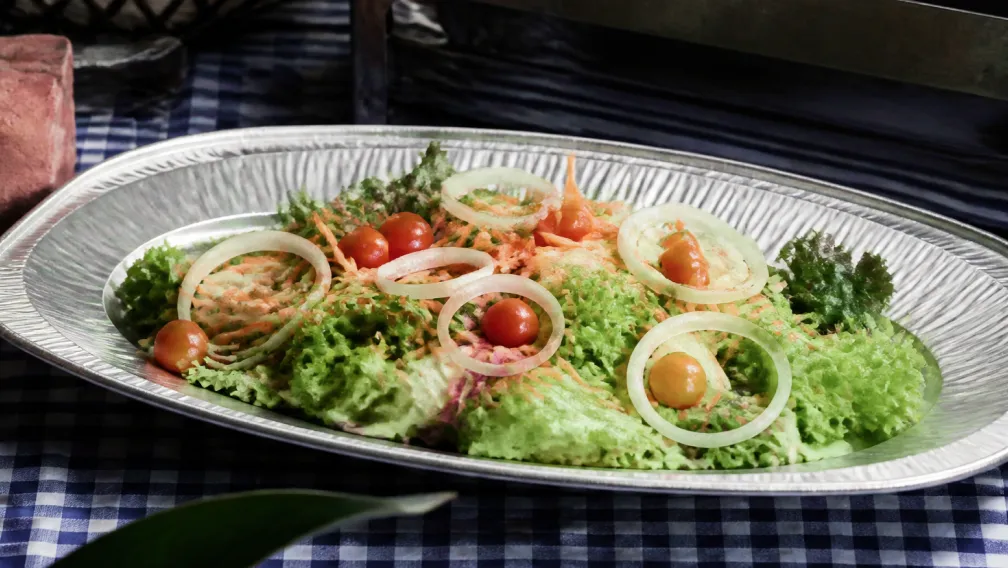
A flat sheet of aluminum foil spanning 16 inches possesses very little inherent vertical rigidity. If a caterer attempts to lift a flat, unreinforced aluminum disc carrying ten pounds of food, the metal will undergo severe deflection, bending at the center and causing the contents to slide or spill. To counteract this physical limitation, heavy-duty aluminum foil serving trays rely on an engineered embossed base.
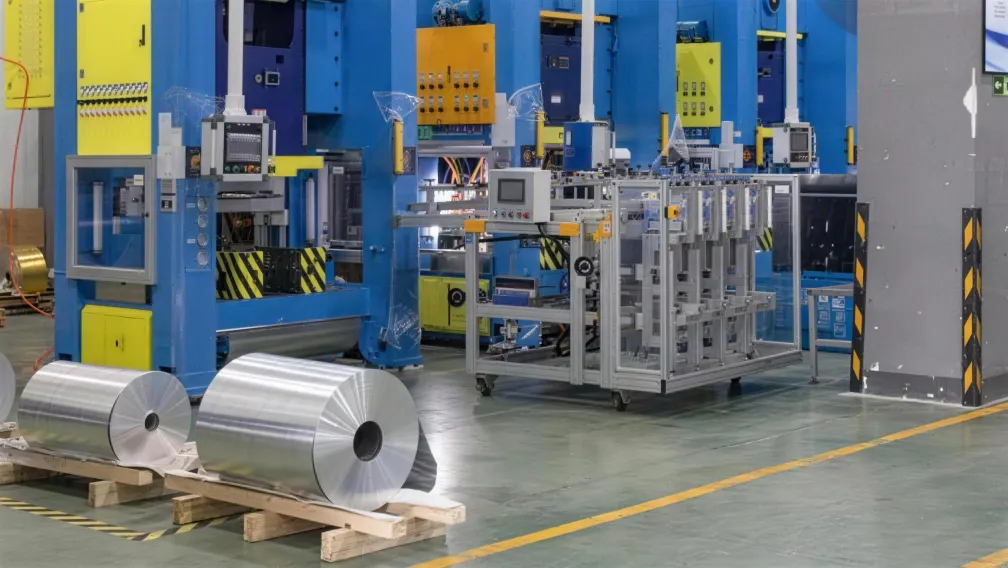
During the stamping process, the die presses a specific geometric pattern—often concentric circles, geometric grids, or interwoven ridges—into the bottom of the tray. This is not for aesthetic purposes. In mechanical engineering, pressing a three-dimensional shape into a flat plane drastically increases the material's moment of inertia. The embossed ridges act as built-in structural beams, distributing the load across the entire surface area of the tray rather than allowing stress to concentrate at the center. This allows a relatively thin gauge of aluminum alloy, typically 8011 or 3003, to safely support heavy, unevenly distributed loads.
Furthermore, the embossed texture serves a secondary function regarding food stability. The raised patterns create friction against the food items, preventing sliced meats or cheeses from sliding to one side of the tray during transport. In cold-chain logistics, where condensation can cause flat surfaces to become slick, this textured base ensures the presentation remains intact from the assembly kitchen to the final event table.

The 16-Inch Standardization: SKU 4013-80-25 and WY405
The dominance of the 16-inch size in the catering industry is a product of supply chain standardization and volumetric efficiency. A 16-inch platter provides approximately 200 square inches of surface area. In catering metrics, this translates perfectly to a "Large" party platter designed to serve 15 to 20 guests. It is large enough to create an impressive visual spread but remains within the dimensional limits of standard commercial transport boxes, speed racks, and walk-in refrigerator shelving.
In North American and global B2B markets, this demand is fulfilled by rigorously standardized SKUs. The 4013-80-25 represents the benchmark for the 16-inch round catering tray, universally recognized by distributors for its exact dimensions and dependable load-bearing capacity. Similarly, the WY405 serves as the heavy-duty equivalent in metric-aligned markets, providing the identical 16-inch (approx. 406mm) footprint with an optimized wrinkle-wall construction that reinforces the outer rim.
By standardizing on these specific molds, commercial kitchens can streamline their operations. Standardized trays mean standardized portion control, predictable ingredient costs, and uniform transport logistics. A catering manager knows exactly how many ounces of turkey, ham, and cheese fit onto a 4013-80-25 tray, eliminating guesswork on the assembly line and ensuring consistent profit margins across hundreds of orders.
The Lid System: PET Domes and Snap-Fit Seals
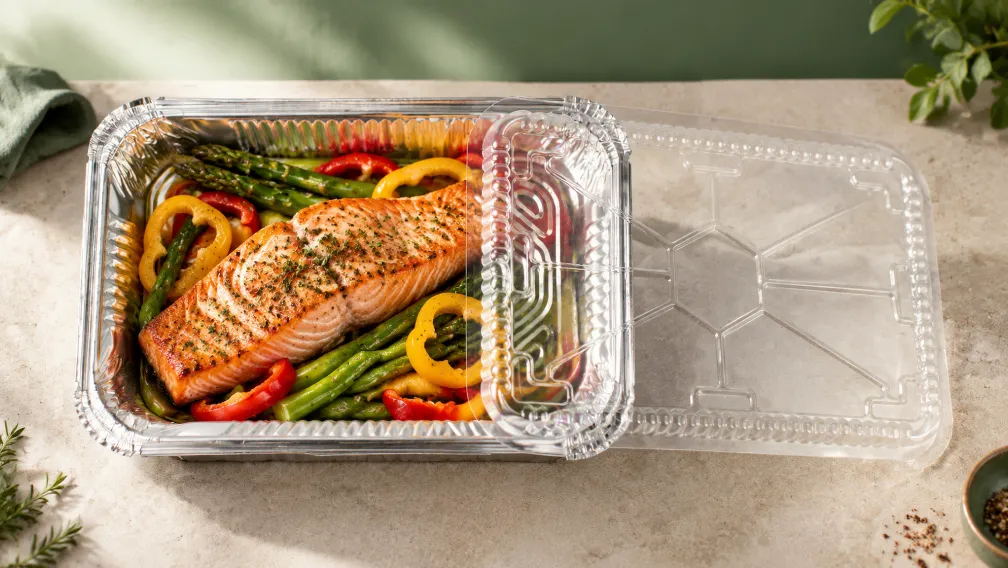
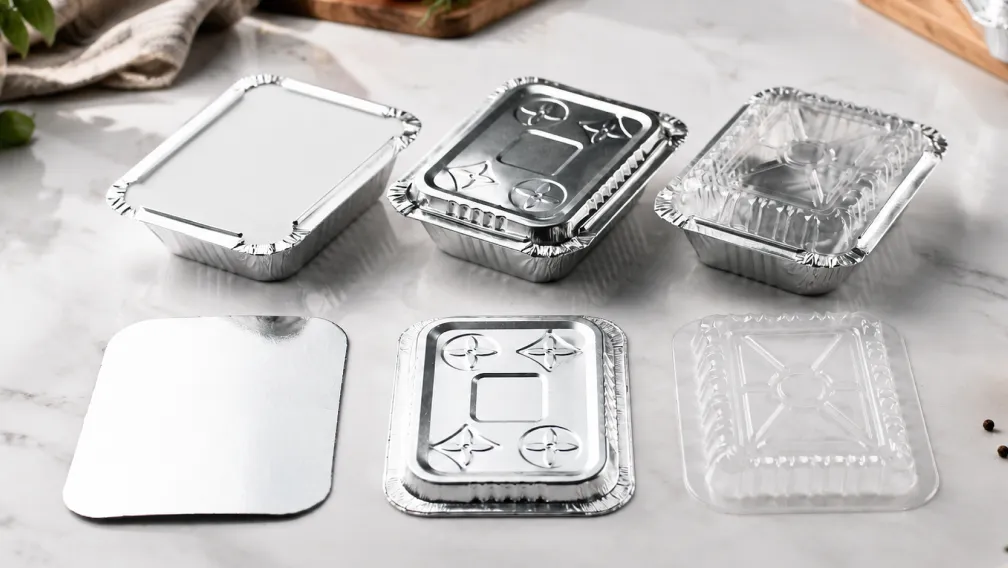
A catering tray is only functional if it can be safely transported. Therefore, the 16-inch aluminum base operates in tandem with a clear PET (Polyethylene Terephthalate) dome lid. The engineering of this lid is just as critical as the base tray itself. High-end dome lids feature a snap-fit perimeter that locks securely under the full-curl rim of the aluminum tray. This friction-fit seal must be tight enough to prevent accidental detachment during transit, yet intuitive enough for the end-user to remove without damaging the food presentation.
The "dome" geometry of the lid is intentional. It provides vertical clearance, allowing caterers to build high-profile presentations—such as towering fruit arrangements or layered sandwiches—without the lid crushing the food. Additionally, the vertical sidewalls of the PET lid are often fluted. Much like the embossing on the aluminum base, these flutes add vertical compression strength to the plastic, allowing multiple fully loaded 16-inch platters to be stacked on top of one another in a delivery van without the bottom lids collapsing.
The high optical clarity of the PET material transforms the functional transport packaging directly into a retail-ready merchandising display. Supermarkets rely heavily on this transparency, as consumers "buy with their eyes" when selecting pre-made party platters from a deli cooler.

Thermal Management in High-Volume Catering
Food safety regulations mandate strict temperature controls for perishable catering items. Aluminum is an exceptional thermal conductor, a property that caterers leverage heavily during both preparation and service. When a 16-inch catering tray is assembled with cold cuts and placed in a walk-in cooler, the aluminum base rapidly transfers the ambient cold directly into the food, quickly bringing the platter down to safe holding temperatures (below 40°F / 4°C).
During the actual event, this thermal conductivity remains advantageous. Caterers frequently place the 16-inch aluminum trays directly onto beds of crushed ice on the buffet table. The aluminum immediately absorbs and distributes the cold from the ice across the entire base of the tray, ensuring that the cheese and meat remain safely chilled for the duration of the event. Plastic or foam serving platters act as thermal insulators, blocking the cold from the ice bed and allowing the food on top to warm up dangerously fast. The metallic properties of the 4013-80-25 and WY405 effectively eliminate this food safety risk.
The Economics of Single-Use vs. Reusable Platters
The primary driver behind the massive B2B procurement of 16-inch aluminum catering trays is operational economics. Traditionally, high-end catering involved delivering food on heavy ceramic, glass, or stainless-steel platters. While visually appealing, reusable platters introduce a severe logistical bottleneck known as reverse logistics.
When a caterer uses a ceramic platter, they must send a vehicle and a staff member back to the venue the next day to retrieve the dirty tray. That tray must then be transported back to the commercial kitchen, logged into inventory, run through a commercial dishwasher (incurring water, chemical, and labor costs), and stored safely to prevent breakage. The blended cost of this reverse logistics process frequently exceeds $10 to $15 per platter.
By shifting to a premium single-use aluminum tray like the 4013-80-25, the caterer completely eliminates the return trip. The food is delivered, the client is satisfied with the elegant embossed metallic presentation, and when the event concludes, the tray is simply recycled by the client. The upfront cost of the aluminum tray and PET dome lid is negligible compared to the labor and fuel saved by eliminating reverse logistics. This "drop-and-go" business model allows catering companies to scale their operations, taking on multiple concurrent events without exhausting their inventory of serving ware.
Environmental Compliance and the Recycling Loop
As sustainability mandates become stricter in the global food service industry, the material lifecycle of catering packaging is under heavy scrutiny. Aluminum holds a distinct advantage in this area. Unlike complex multi-layered plastics or styrofoam, aluminum foil trays are 100% infinitely recyclable without any degradation in metallurgical quality.
Because 16-inch catering trays are large and contain a significant mass of aluminum, they are highly valuable to municipal recycling facilities. After a catering event, the tray can be rinsed and placed into standard single-stream recycling. That same aluminum can be melted down and re-rolled into new coil stock in a matter of weeks, requiring only 5% of the energy needed to extract primary aluminum from bauxite ore. This closed-loop lifecycle allows caterers to provide robust, heavy-duty serving solutions while remaining fully compliant with zero-waste initiatives and corporate sustainability goals.
Specifying the Right Tray for Your Catering Operations
Selecting the correct serving platter dictates the efficiency of your assembly line, the safety of your food during transit, and the final presentation to your client. For standard large-scale event catering, the 16-inch embossed round tray remains the optimal balance of capacity, structural integrity, and footprint.
Whether you require the standardized 4013-80-25 for North American deli operations or the WY405 for heavy-duty international applications, ensuring you source trays manufactured from food-grade 8011 or 3003 alloy is critical for avoiding base deflection under load. By pairing these robust metallic bases with highly engineered, stackable PET dome lids, catering operators can secure their supply chain, eliminate reverse logistics, and protect their profit margins on every order.
-

SEPACK
Aluminum Foil Packaging Manufacturer
SEPACK supplies aluminum foil containers, rolls, sheets, baking pans, and food wraps to distributors and foodservice businesses in 50+ countries. Headquartered in New York with manufacturing in Shanghai, operating since 2010.