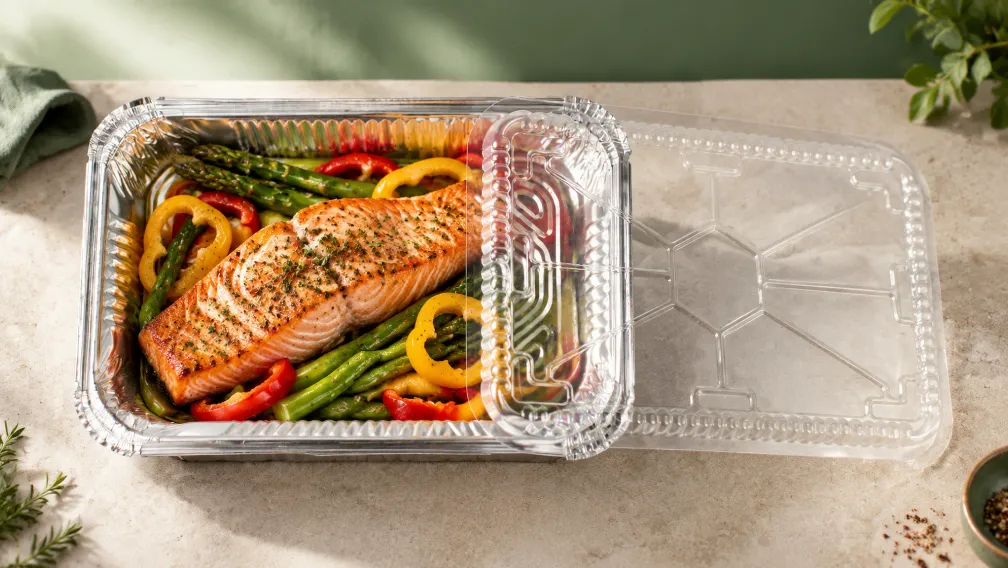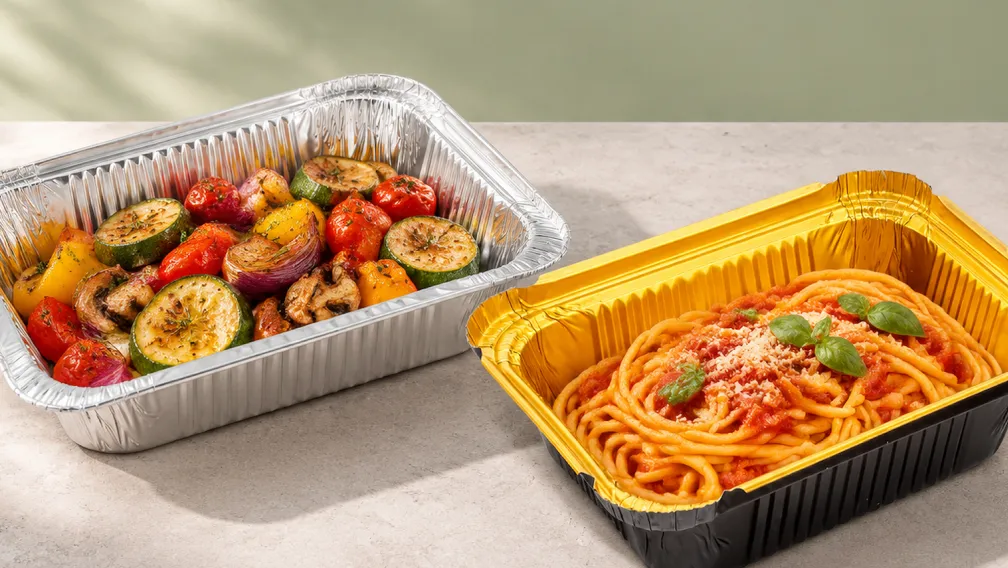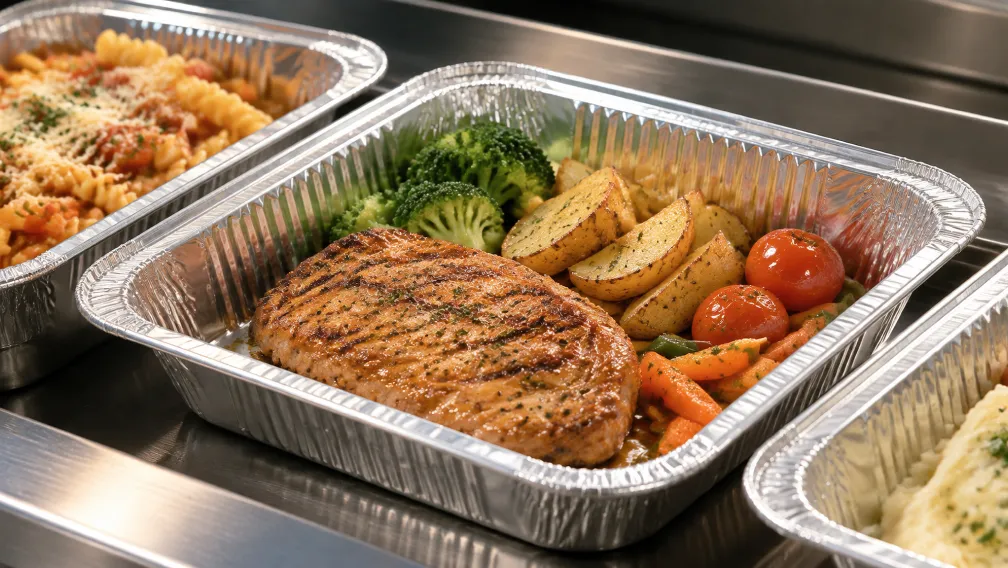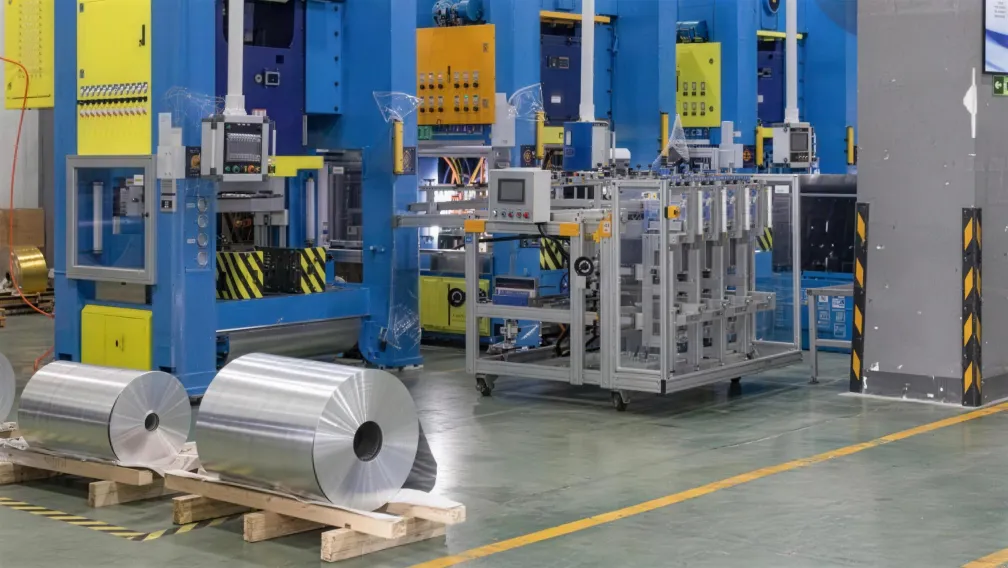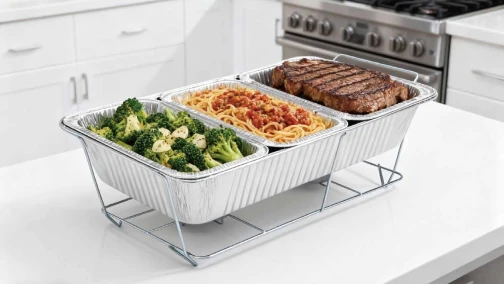


As the European Union moves closer to full implementation milestones under the Packaging and Packaging Waste Regulation (PPWR), packaging converters, food manufacturers, and institutional catering brands are facing tightening compliance timelines in late 2026. Regulatory bodies across member states are aggressively targeting multi-layer polymer-paper composites and chemical food-contact treatments, such as per- and polyfluoroalkyl substances (PFAS), which face near-total restrictions. For procurement directors utilizing aluminum foil containers and smooth-wall aluminum trays, this regulatory shift elevates mono-material metal packaging from a preferred sustainable option to an essential compliance shield.
The Regulatory Pressure on Composite and Coated Substrates
The core objective of the PPWR framework is to ensure that all packaging on the EU market is recyclable in a technically and economically viable manner by 2030. Traditional food packaging formats—particularly paperboard trays coated with extruded polyethylene or wax layers, and grease-proof papers treated with chemical barrier agents—are encountering severe regulatory penalties under modulated Extended Producer Responsibility (EPR) fee structures. Because composite structures require complex mechanical separation that municipal recycling facilities often cannot process efficiently, they incur high end-of-life eco-taxes or face outright bans in specific food-service segments.
Conversely, bare and lacquered aluminum packaging benefits from a permanent material classification. When discarded aluminum foil containers and trays enter municipal waste streams, they are cleanly recovered by high-speed Eddy Current Separators (ECS). Recovered aluminum retains 100% of its metallurgical properties and requires only 5% of the primary energy to remelt, positioning aluminum as a benchmark material under EU circular economy metrics.

Design-for-Recycling Mandates and Lidding Compatibility
Regulatory scrutiny under the PPWR is not limited to container bases; it extends equally to closure systems and lidding films. Recent compliance guidelines emphasize that auxiliary components—such as heat-seal films, plastic lids, and labels—must not hinder the sorting and recycling of the primary container body.
To maintain top-tier recyclability ratings, European packaging engineers are standardizing mono-material configurations, pairing aluminum base trays with rigid or flexible aluminum foil lids. Where transparent consumer visibility requires polymer-based lidding, converters are deploying clean-peel, low-density functional sealants that consumers can strip cleanly from the smooth-wall container flange without leaving organic or polymer residue that could contaminate the aluminum melt during industrial recycling.
Strategic Implications for B2B Supply Chains
For B2B procurement teams managing cross-border distribution within the European Economic Area, adapting to PPWR enforcement requires proactive supply chain adjustments:
- Audit Packaging Portfolios: Review current packaging specifications to identify and phase out multi-layer plastic-paper laminates or PFAS-treated grease-proof papers before mandatory phase-out deadlines take effect.
- Verify Recyclability Grades: Ensure that supplier-provided aluminum containers and lidding systems comply with upcoming EU harmonized sorting and recyclability performance grade standards.
- Leverage Mono-Material Design: Transition high-temperature ready-meal and catering packaging to certified mono-material aluminum configurations to minimize EPR eco-tax liabilities and future-proof export operations.
As an industry leader in specialized B2B aluminum foil packaging, we closely track evolving European environmental directives to ensure our manufacturing processes and client product lines meet strict PPWR standards. Institutional buyers and food brands seeking fully compliant, recyclable packaging solutions are welcome to contact our technical team for compliance documentation and product consultations.
Sources
- European Commission — Packaging and Waste Regulation (PPWR) Implementation Updates
- Packaging Europe — PPWR Enforcement and Metal Packaging Circularity (October 2026)
- FEAL — Aluminum Packaging and Extended Producer Responsibility Frameworks
-

SEPACK
Aluminum Foil Packaging Manufacturer
SEPACK supplies aluminum foil containers, rolls, sheets, baking pans, and food wraps to distributors and foodservice businesses in 50+ countries. Headquartered in New York with manufacturing in Shanghai, operating since 2010.