

Search
Enter keywords to search for products, blog posts, and more.

Enter keywords to search for products, blog posts, and more.
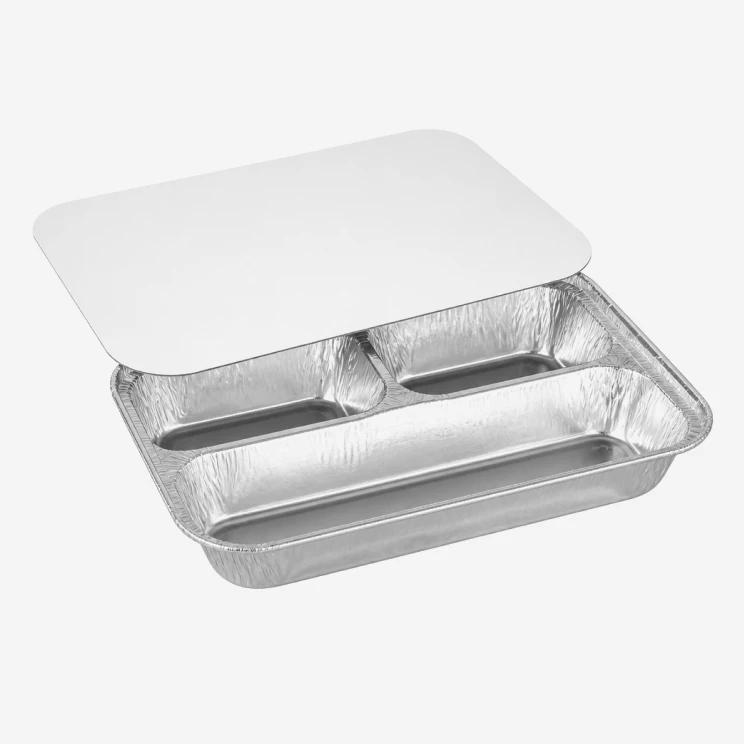
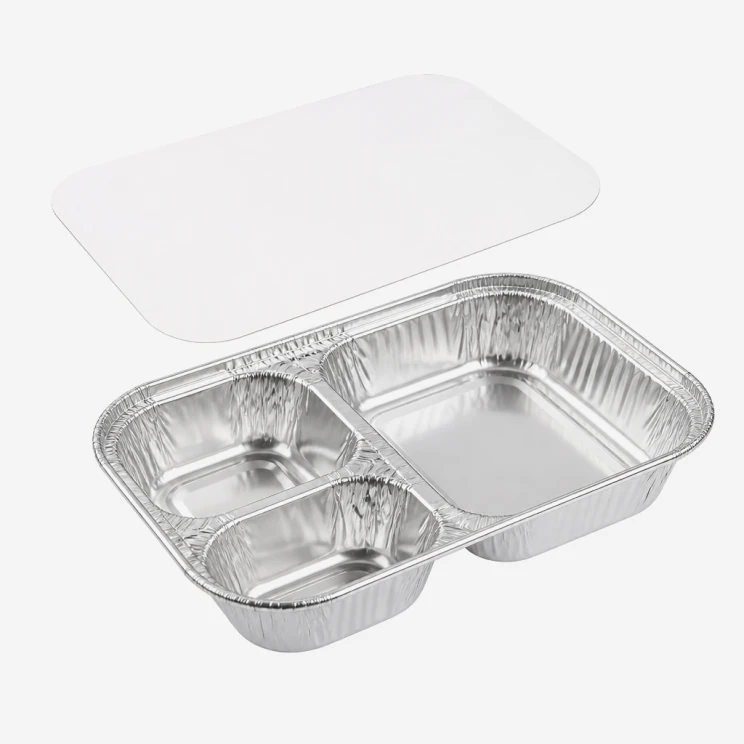
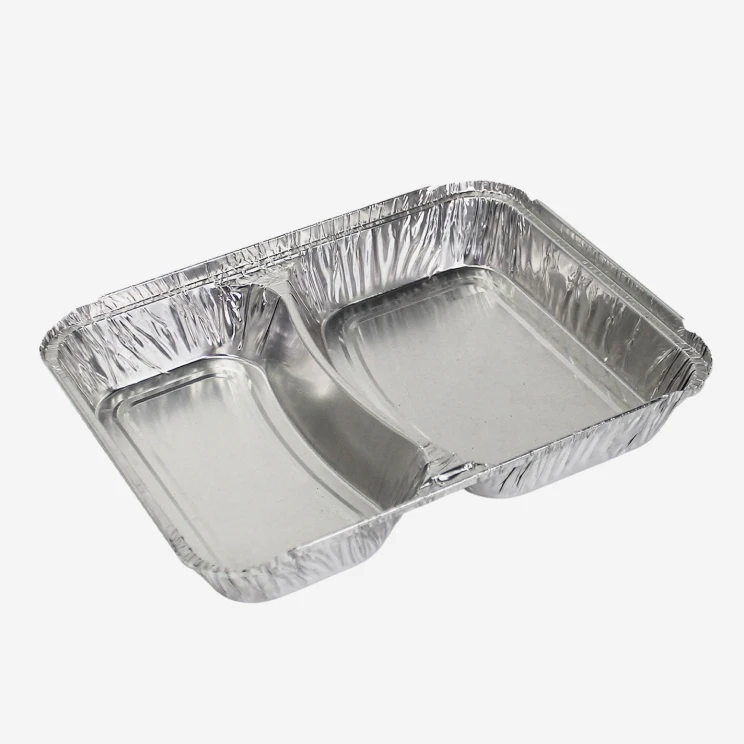
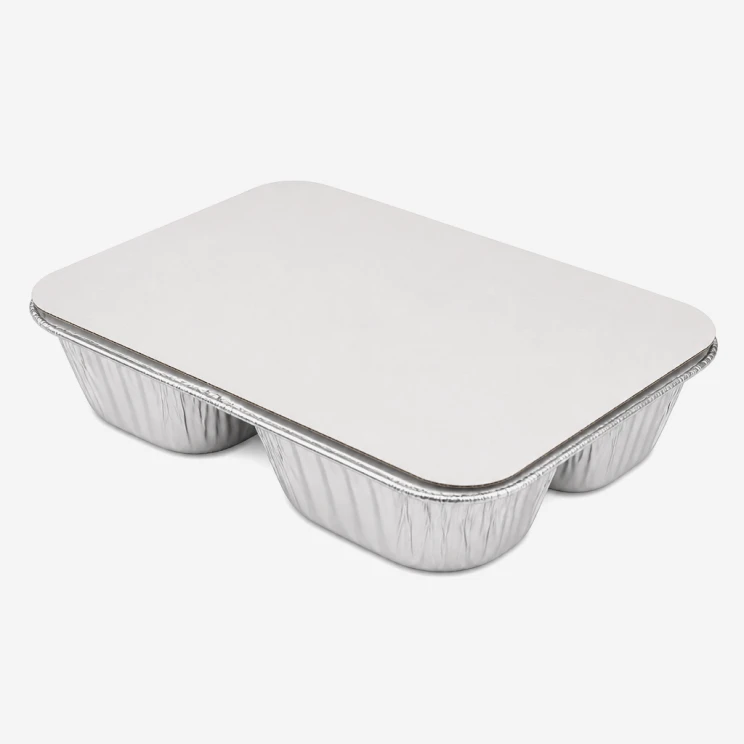
Item # 2045-35-250W is a 24 fl oz three-compartment aluminum foil dinner tray in the classic TV-dinner layout: one large cell for the entree, two smaller cells for sides. The divided format portions a complete meal into a single pack, and the oblong 8 1/2 × 6 3/8 inch footprint fits standard meal carts, warming cabinets, and reheating ovens across institutional and retail frozen-food programs.

| Item # | Description | Compartments | Capacity | Top Out | Top In | Bottom | Depth | Case Pack |
|---|---|---|---|---|---|---|---|---|
| 2045-35-250W | Oblong 3-Compartment Dinner Tray w/ Board Lid | 3 | 24 fl oz | 8 1/2" × 6 3/8" (216 × 162mm) | 8" × 5 7/8" (203 × 149mm) | 7 1/4" × 5 1/8" (184 × 130mm) | 1 15/32" (37mm) | 250 |
The divided dinner tray has outlasted every packaging trend since the 1950s for one reason: it maps exactly to how a balanced meal is composed. One protein, one starch or vegetable, one small side or dessert—three cells, one pack, nothing else to buy. Item # 2045-35-250W is that layout in food-grade aluminum at 24 fl oz, the format that frozen-meal brands, cafeteria lines, and feeding programs keep reordering because the packaging itself enforces the menu structure.
The large cell anchors the entree; the two smaller cells hold sides in fixed ratio to it. Product developers cost the meal cell by cell, line staff fill to the same level every time, and the finance team gets a stable cost per tray across thousands of units. When a menu changes, only the recipes change—the tray, the lid, the cart, and the reheating instructions all stay the same.
A divided meal reheats well only if all three cells come up to temperature together. Aluminum conducts heat quickly and evenly across the tray floor, so a frozen or chilled dinner heats through in a standard convection cycle without the entree scorching while the far side stays cold. The shallow 37mm profile keeps every cell within even-heat range, which is exactly why this depth has stayed standard across the industry.
The oblong footprint is sized by the systems around it: meal carts, warming cabinets, delivery totes, and institutional ovens all dimension their racks and shelves around this class of tray. The tapered wall lets trays nest densely for storage and denest quickly on the filling line, and the rim seats a crimp-on board lid that closes all three cells in one motion.
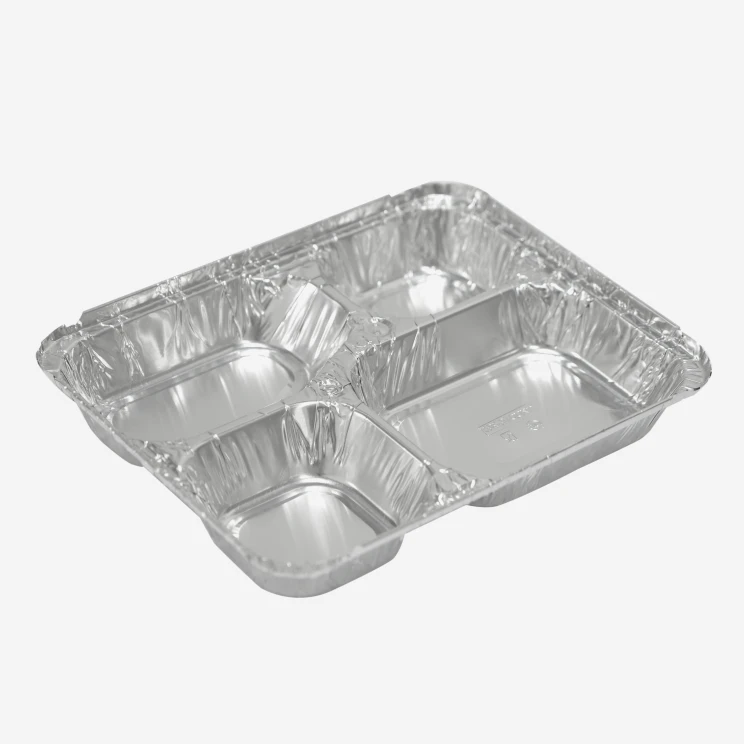
Each case holds 250 trays with matched board lids at 17 lbs net—a one-person carton that stages easily on a packing line. Frozen-meal brands can pair the tray with printed lid stock carrying branding and heating instructions, and institutional buyers can run the same SKU across school, senior, and contract feeding menus. The compartment family extends from two to six cells for menu formats beyond the classic three.