

Search
Enter keywords to search for products, blog posts, and more.

Enter keywords to search for products, blog posts, and more.
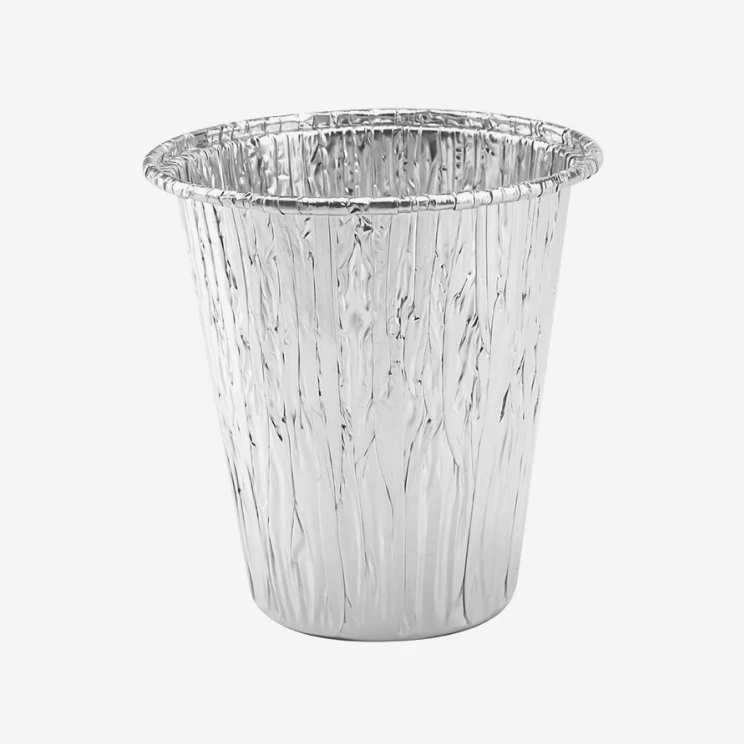
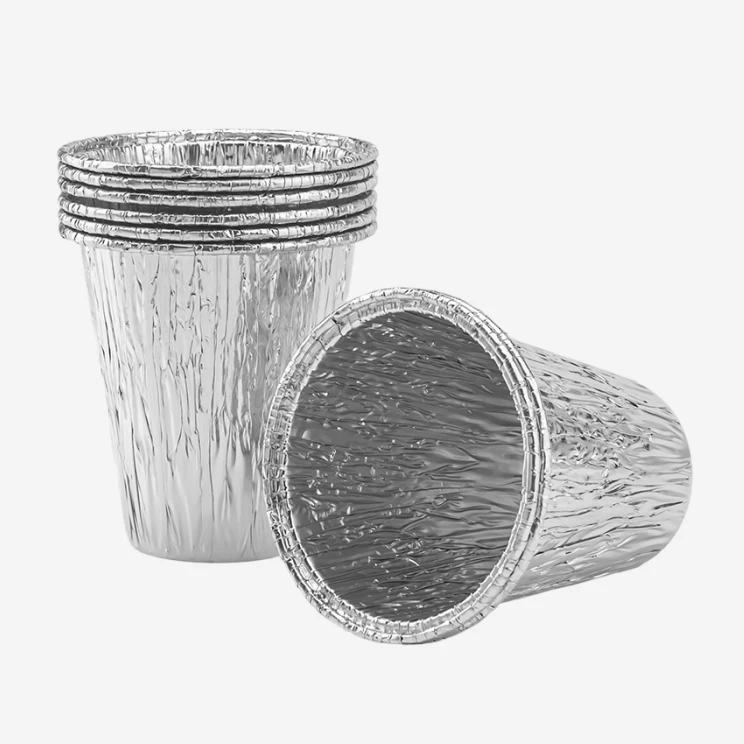
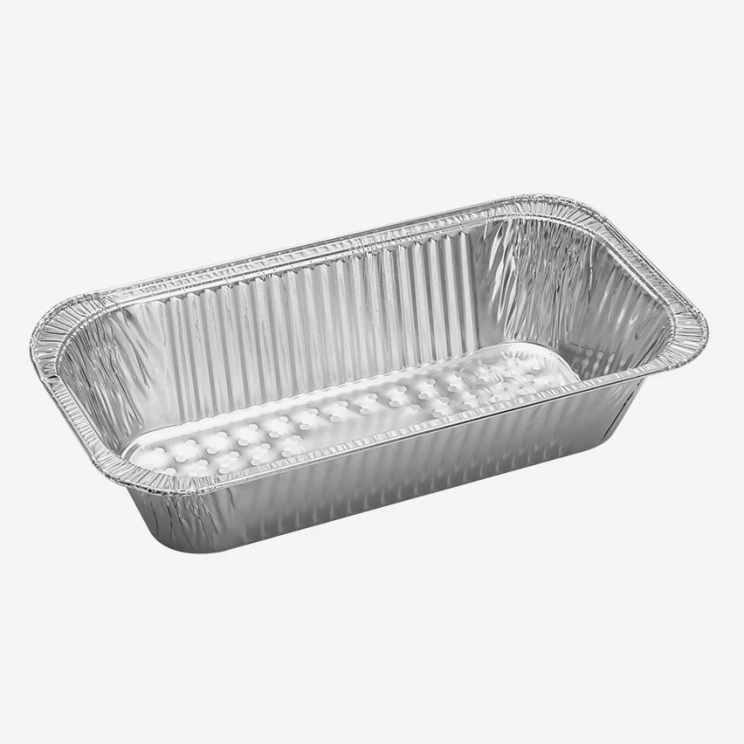
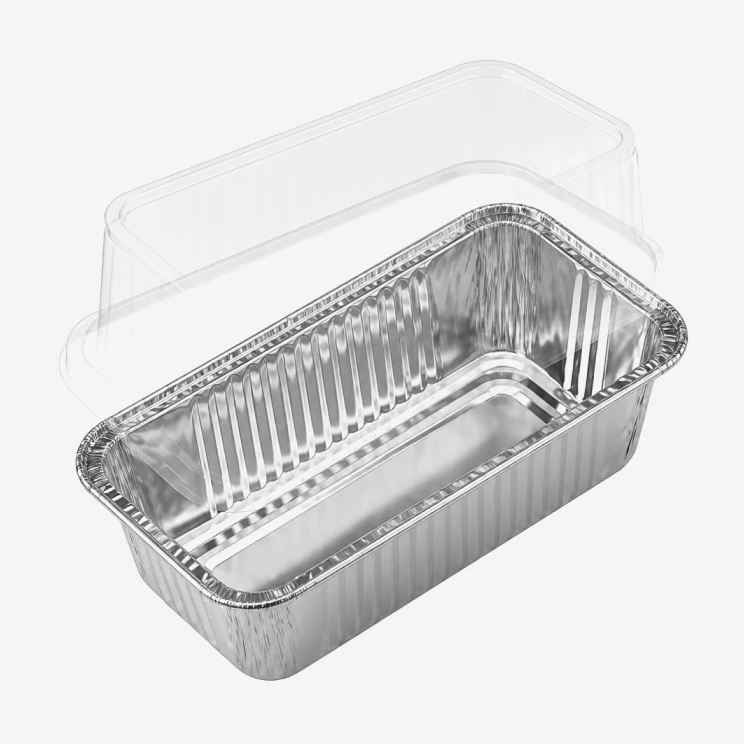
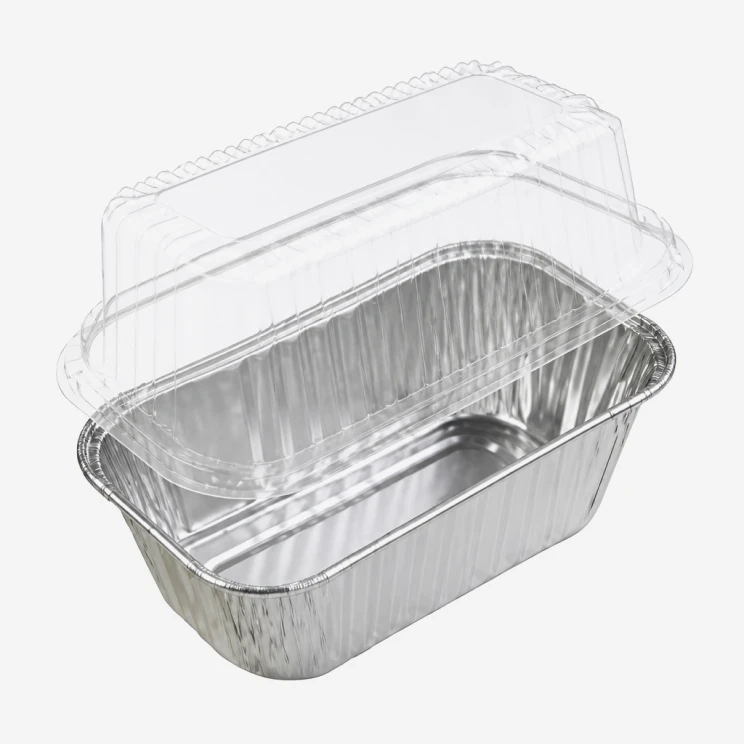
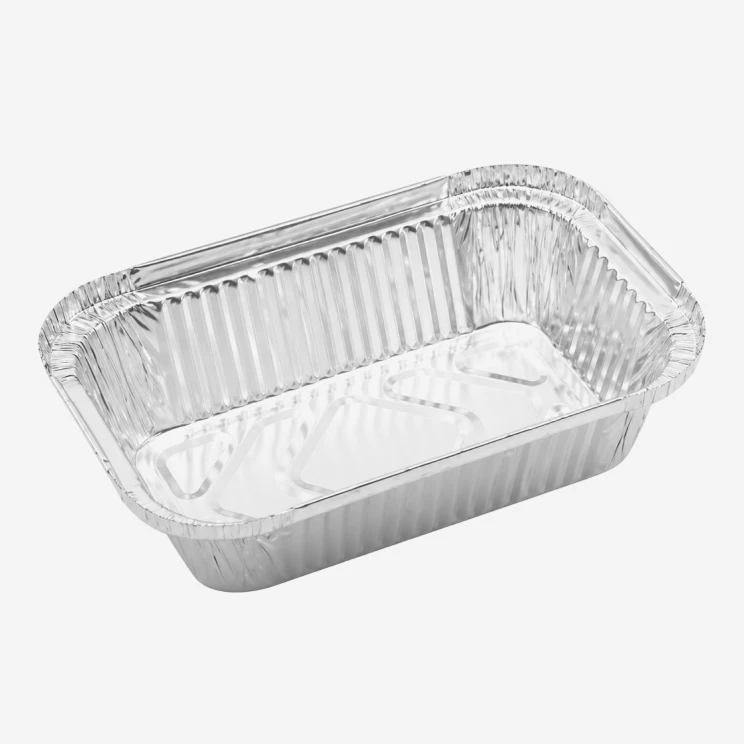
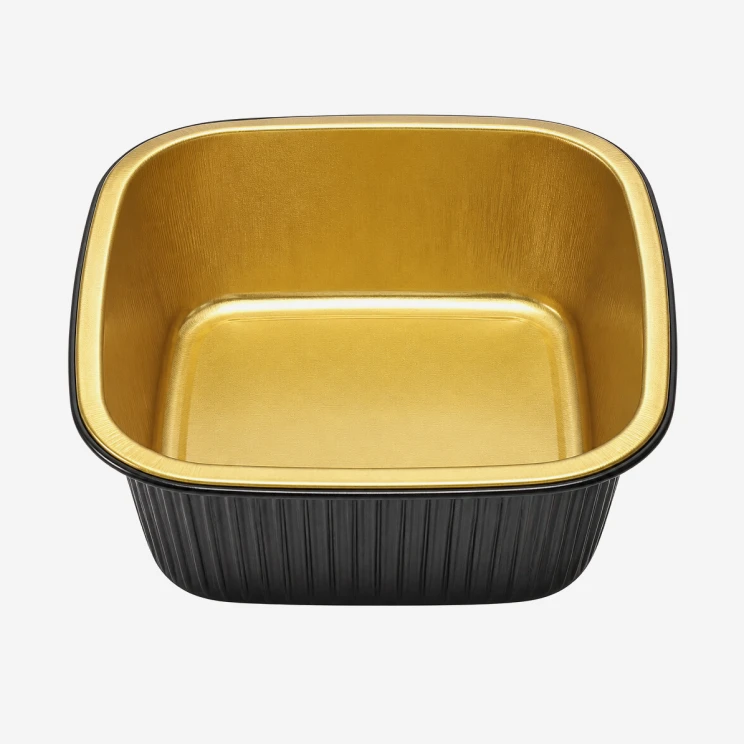
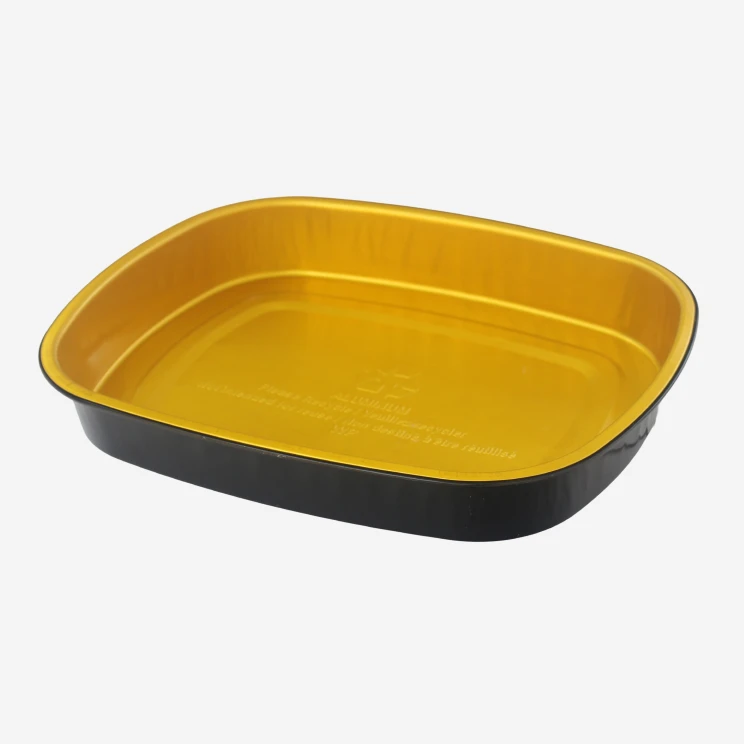
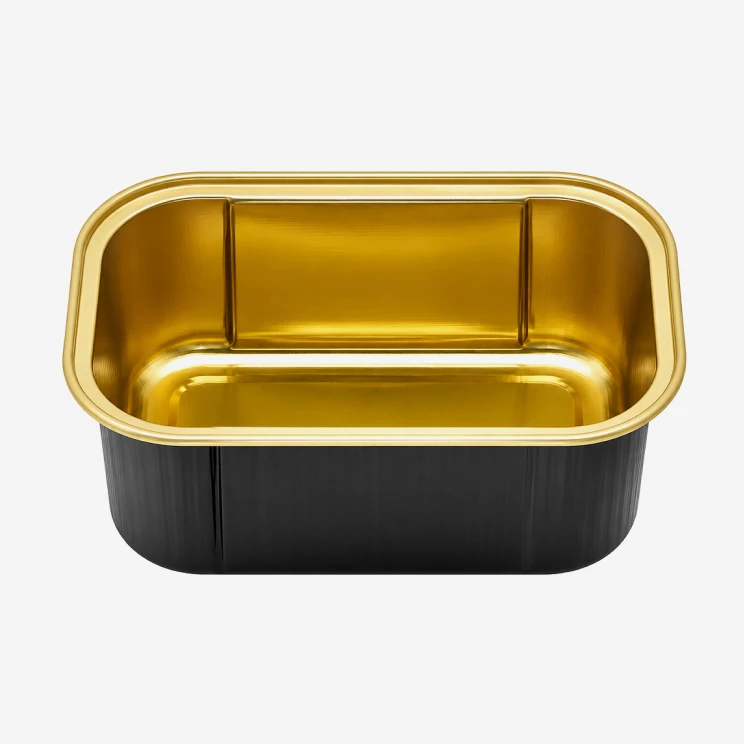
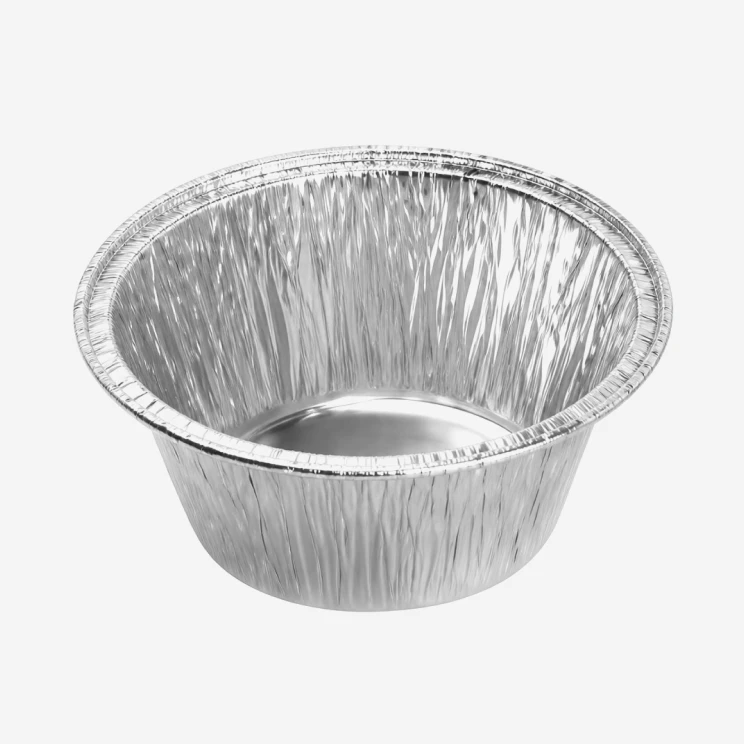
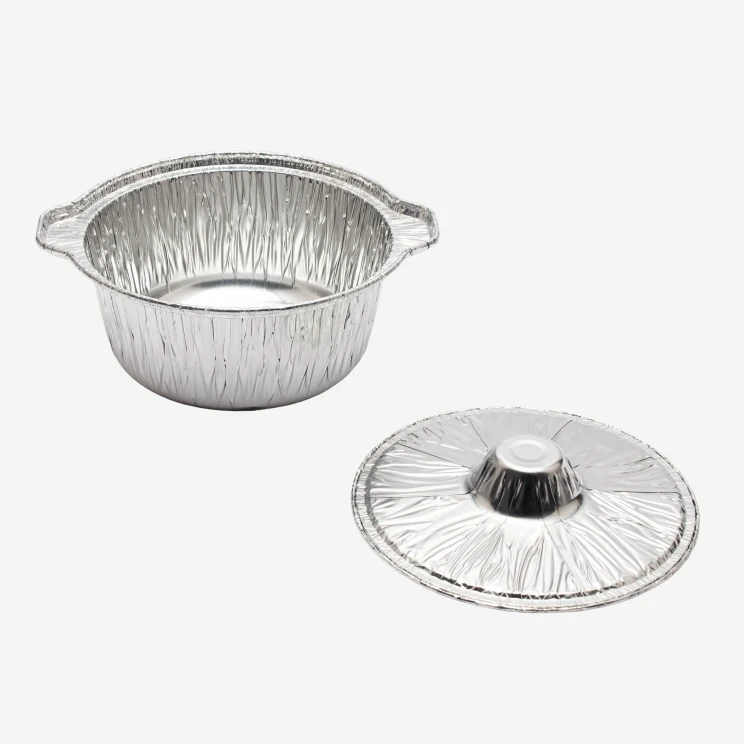
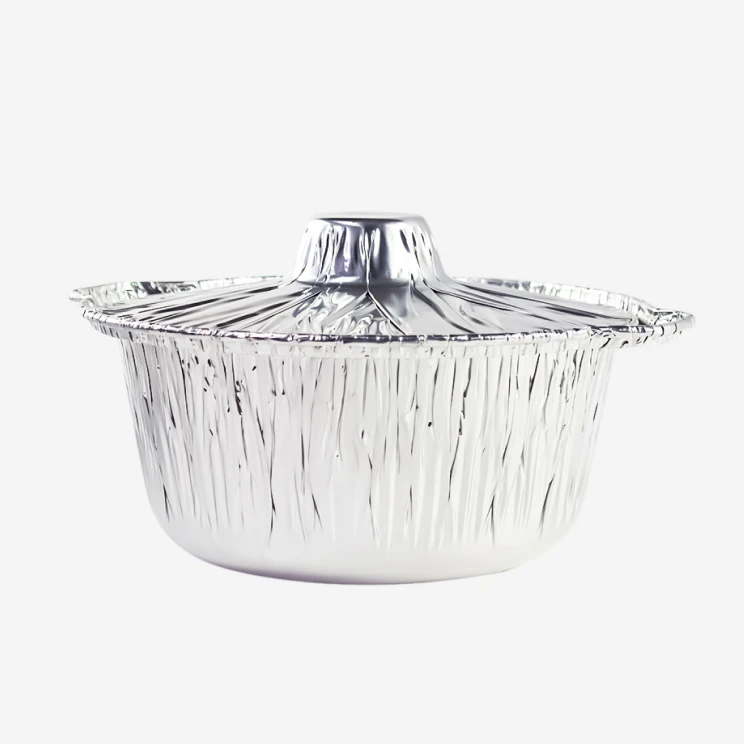
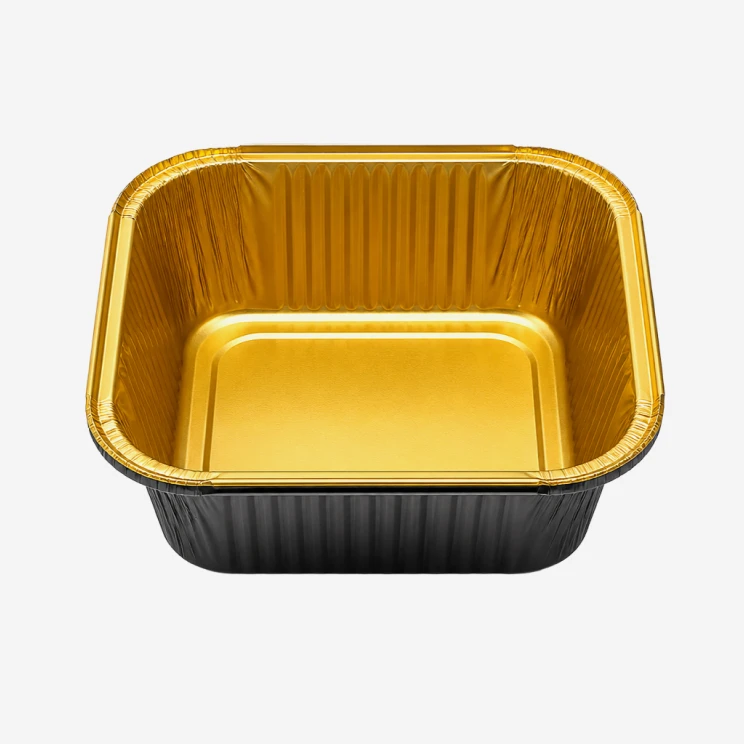
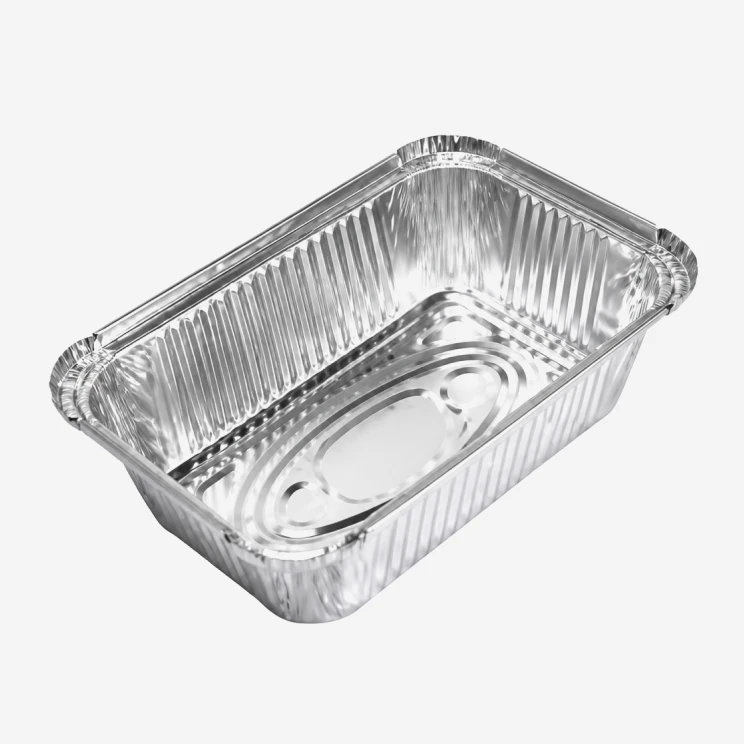
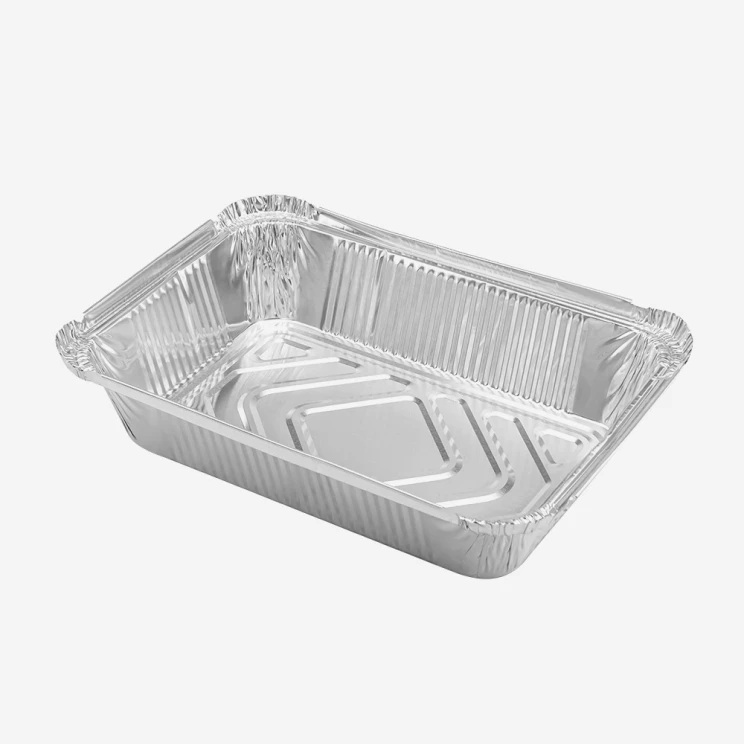
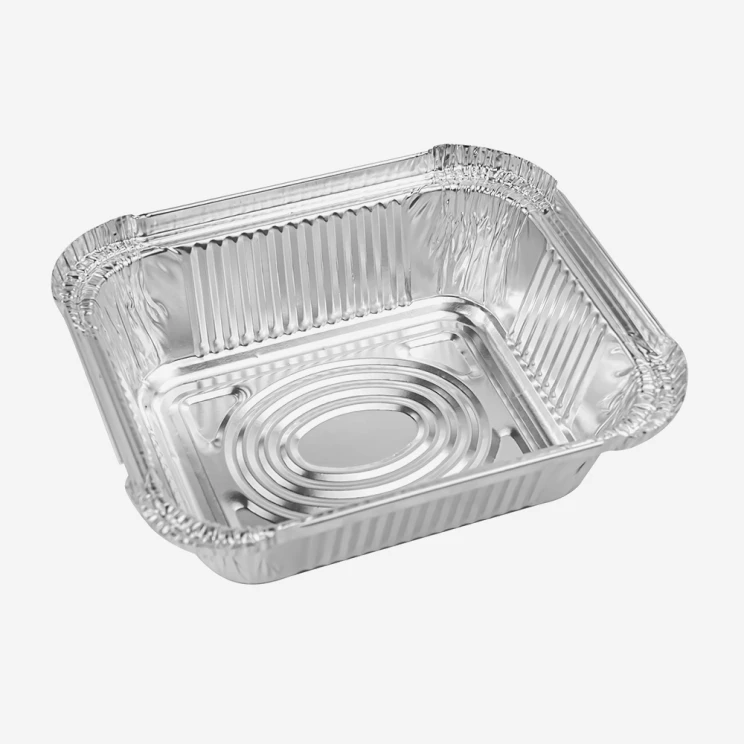
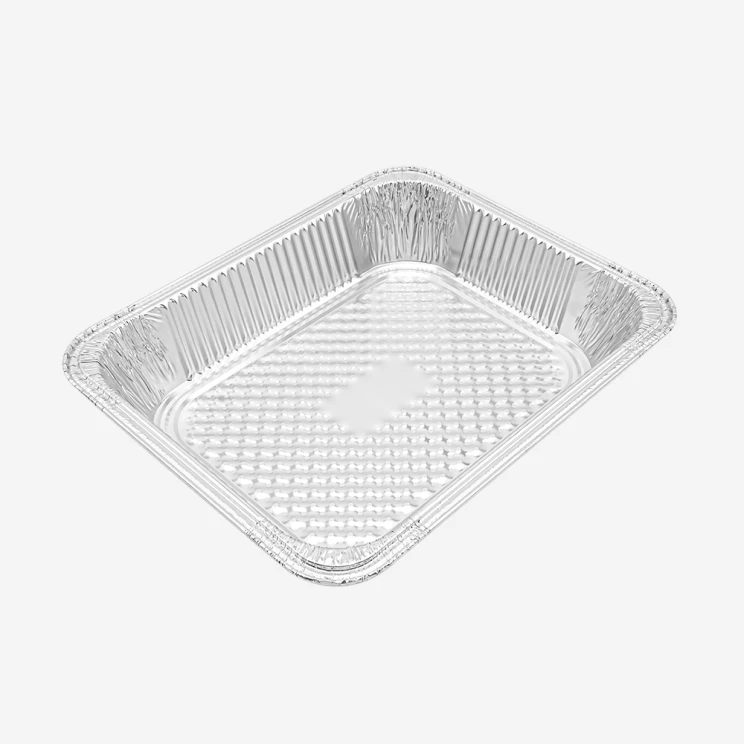
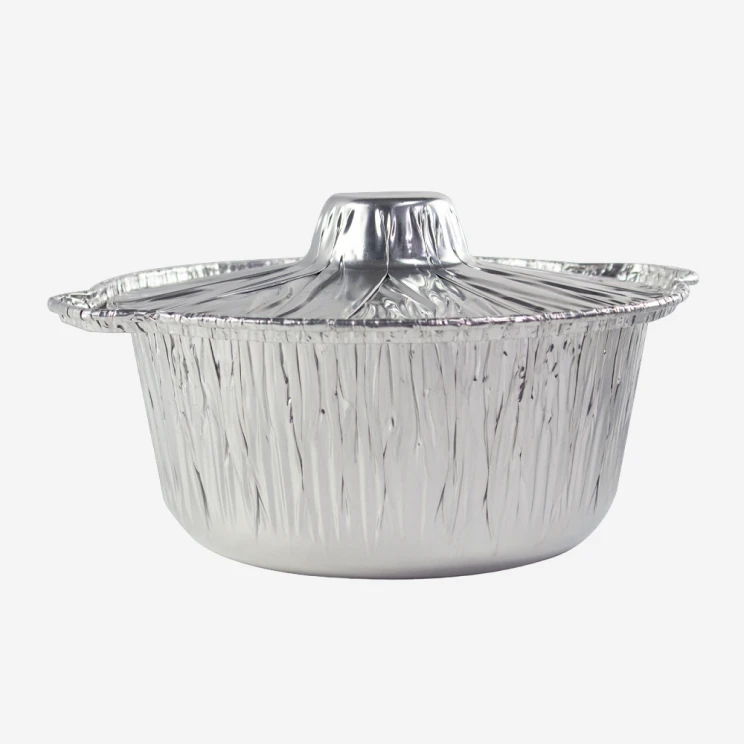
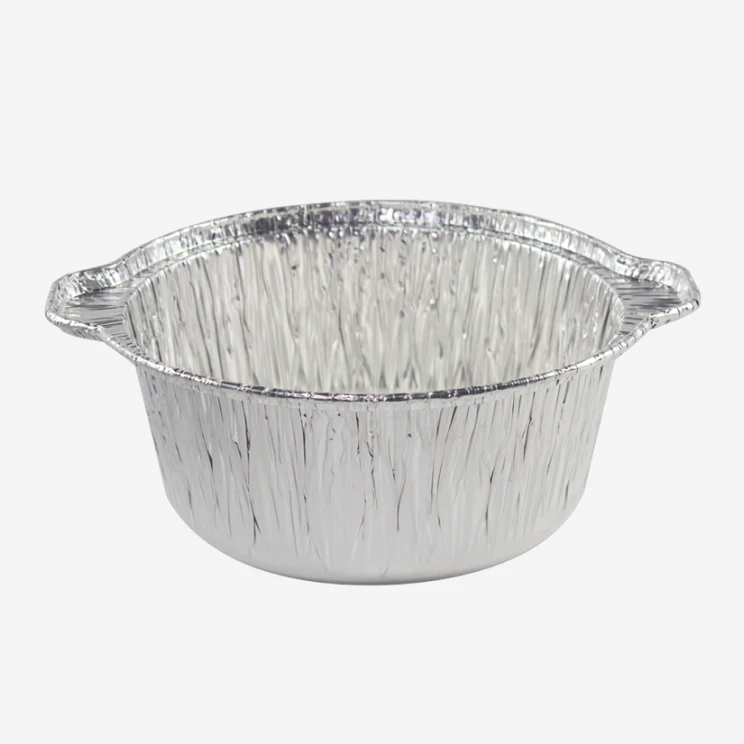
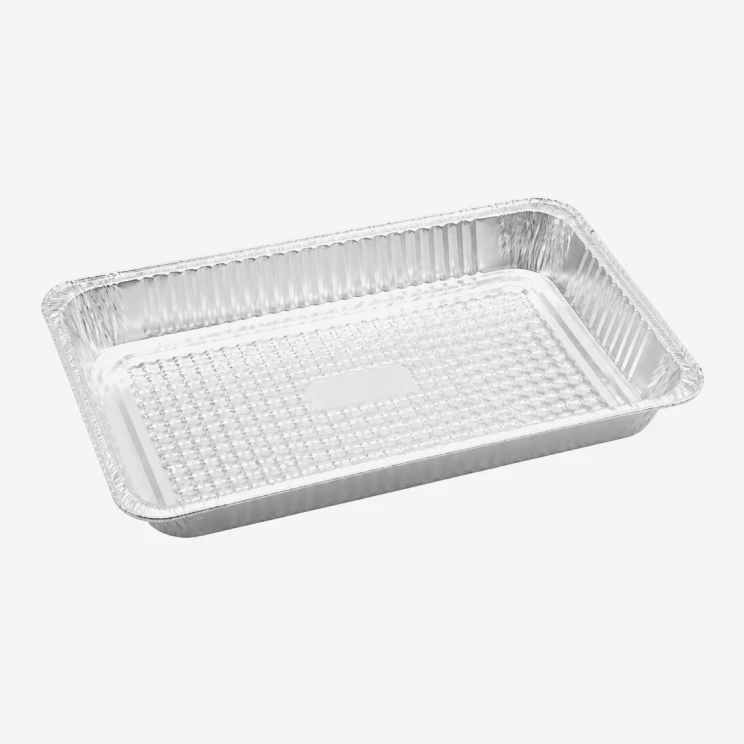
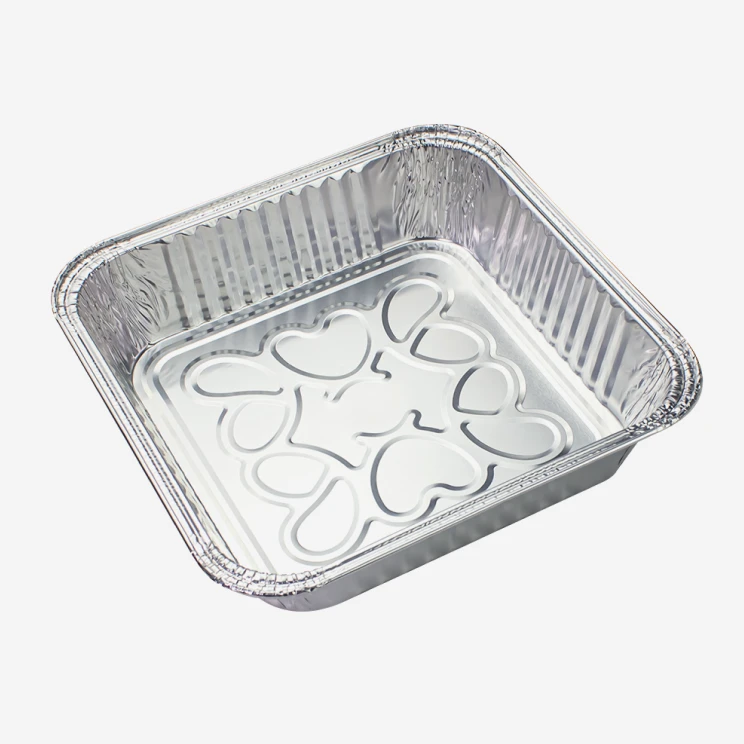
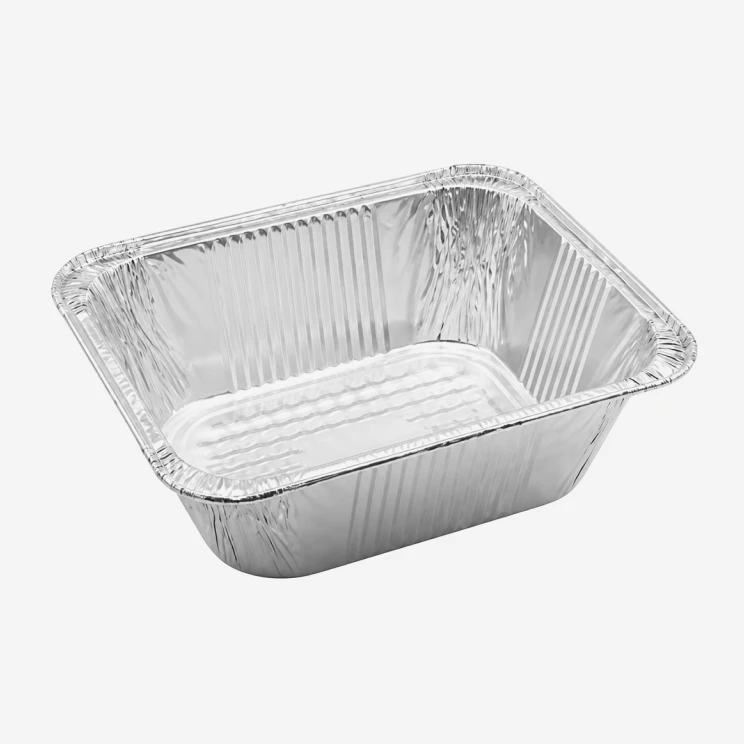
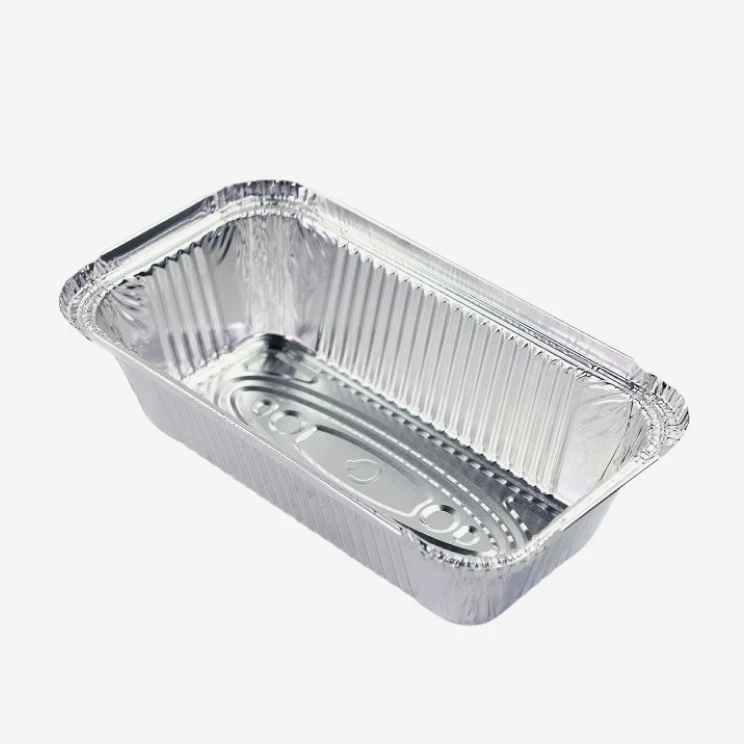
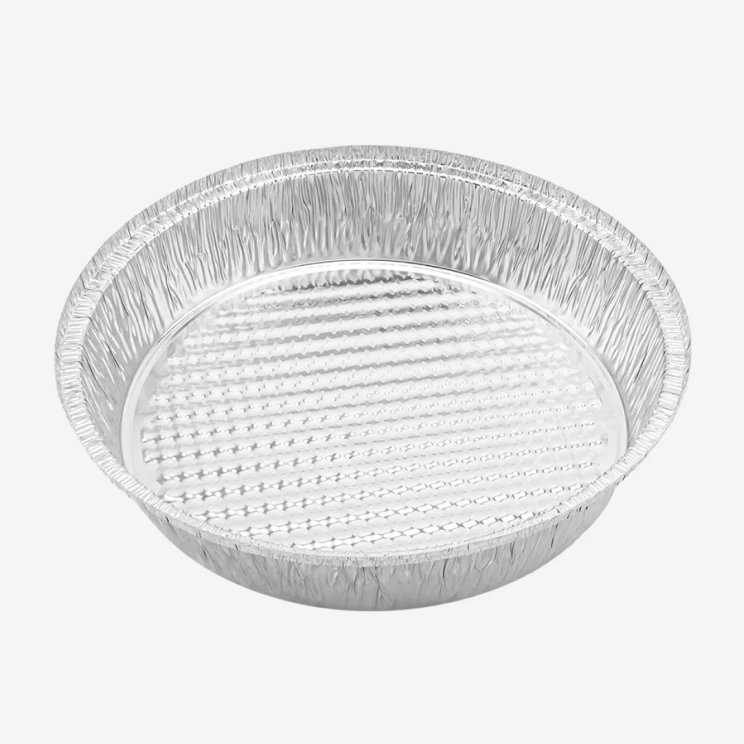
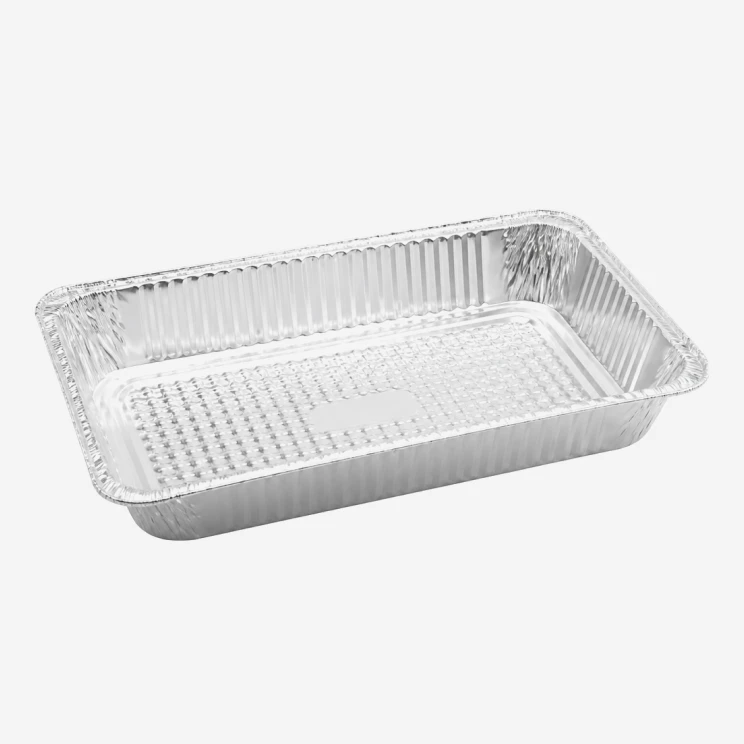
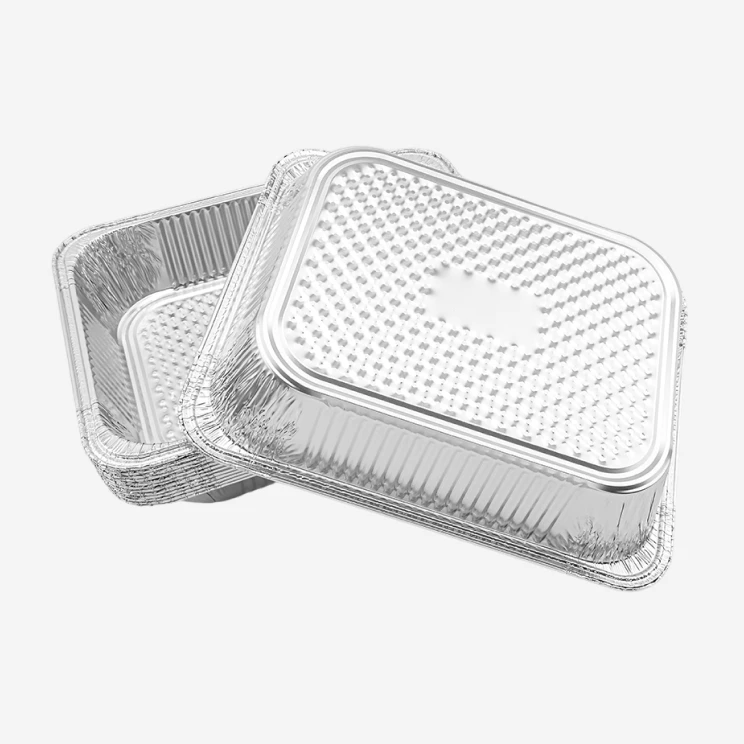
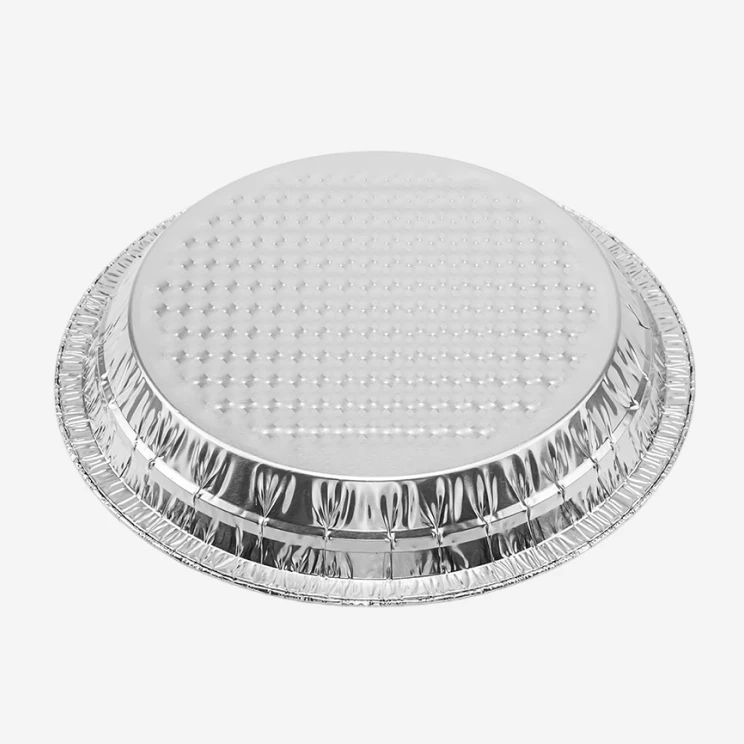
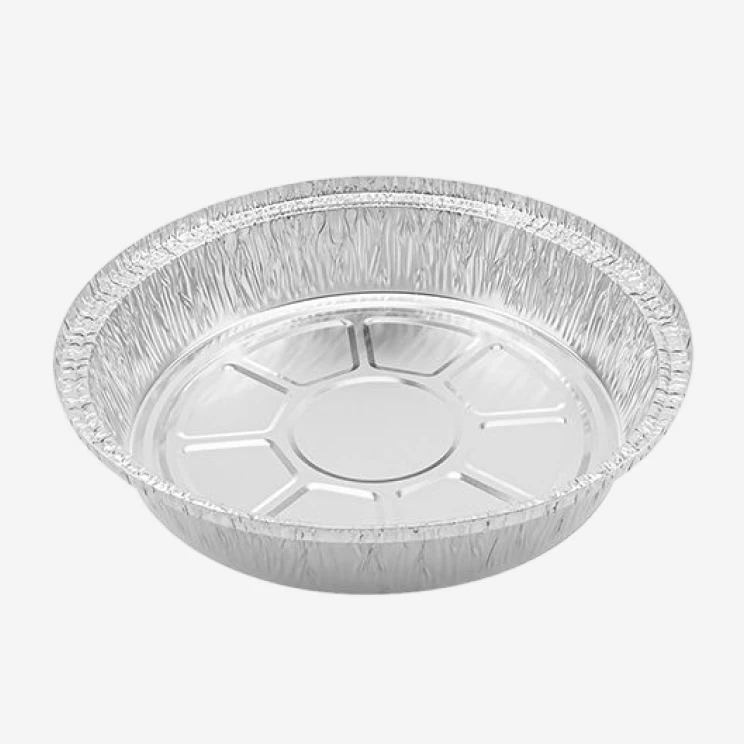
Item WY145-1400 is a 1400ml foil grease liner built for restaurant-scale fat volume: rotisserie ovens dripping through a full day of chicken batches, bank fryers at oil-change time, and central kitchens where several stations feed one collection point. At roughly a quart and a half, one liner covers a full service day in equipment that would overwhelm a standard drip cup before lunch.

| Item # | Description | Capacity | Top Out (mm) | Top In (mm) | Bottom (mm) | Depth (mm) |
| WY145-1400 | Commercial Foil Grease Liner | 1400ml | 145 | 131 | 92 | 147.5 |
Rotisserie programs are the clearest case for this size. A supermarket or deli rotisserie oven renders fat from every bird in every batch, hour after hour, and the drip tray under the spit row fills faster than staff expect. A 1400ml liner set inside the collection point turns end-of-day cleanup into one motion: lift the cup with the day's congealed fat inside, dispose of it, and drop in a fresh liner for tomorrow. The tray never sees a scraper, and the grease never sees a drain.
Fryer oil change is the second anchor use. Filtering and discarding fryer oil is scheduled maintenance in every fried-food kitchen, and the transfer step — hot oil moving from fryer to disposal caddy — is where burns and spills happen. Lining the collection pail with a fitted foil cup contains the transfer inside a rigid single-use wall; once the oil cools and sets, staff carry out a sealed cup rather than an open bucket. Kitchens that run quarterly oil-disposal audits find the liner format also keeps records clean: one cup, one disposal event, no residue.
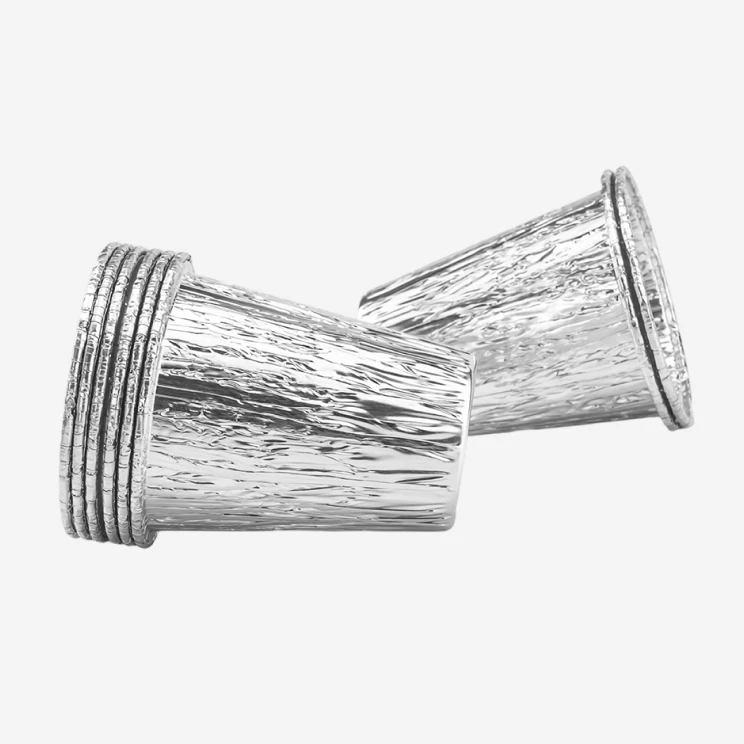
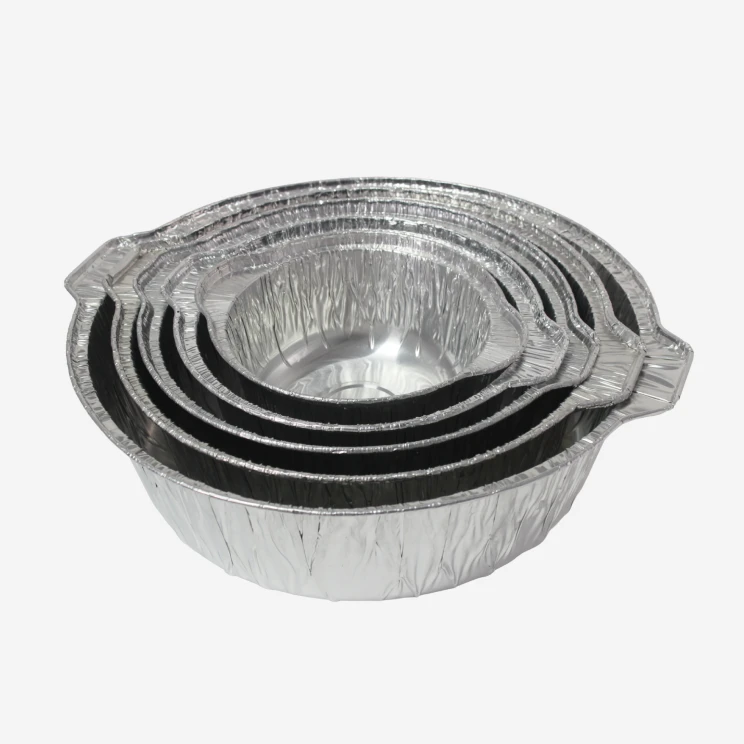
The 147.5mm wall is the deepest in the family, and the reason is load management. A full 1400ml liner carries over a kilogram of congealing fat; the tall tapered wall keeps the fill line low relative to the rim and gives the rolled edge enough structure to lift that weight without flexing. The 92mm base nests densely, so a case occupies minimal shelf space in a crowded dry store — a detail that matters when the item is a daily consumable.
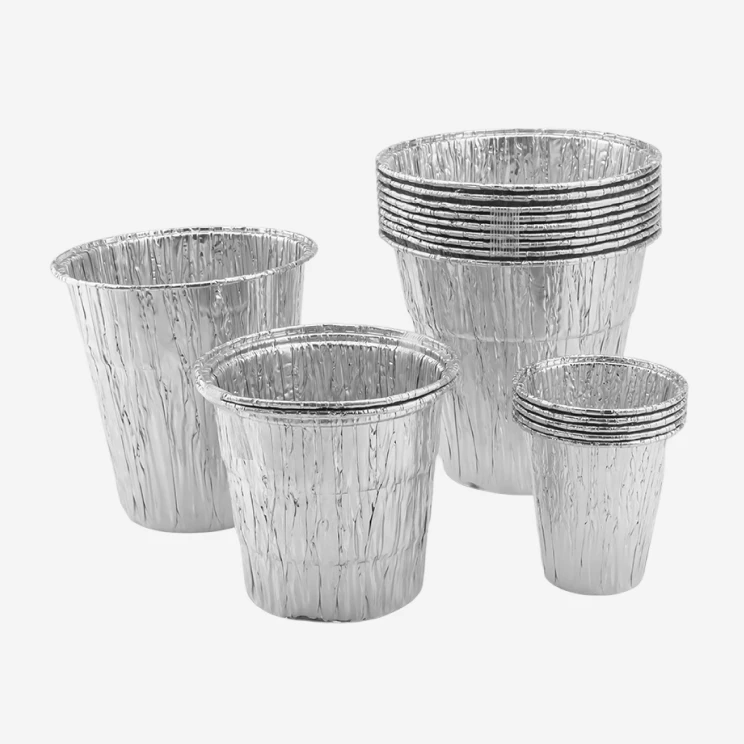
WY145-1400 covers the upper half of a four-size liner family (250ml, 830ml, 1400ml, 1650ml), letting restaurant groups and equipment distributors standardize one liner system across counter fryers, rotisseries and large traps. Bulk cases, private-label sleeves and mixed-size assortments are all available — share your equipment list and daily grease volumes, and we will map the right sizes to each station.