

Search
Enter keywords to search for products, blog posts, and more.

Enter keywords to search for products, blog posts, and more.
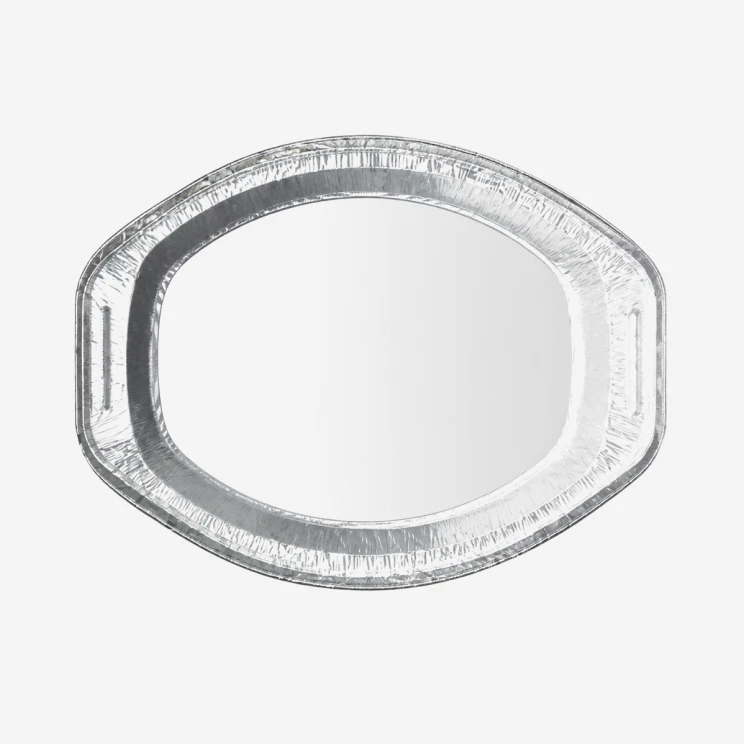
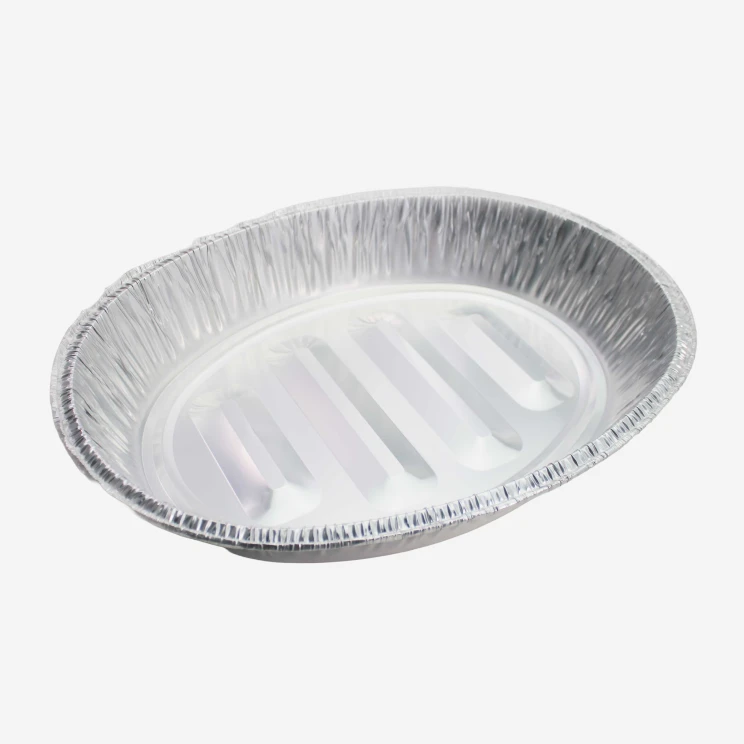
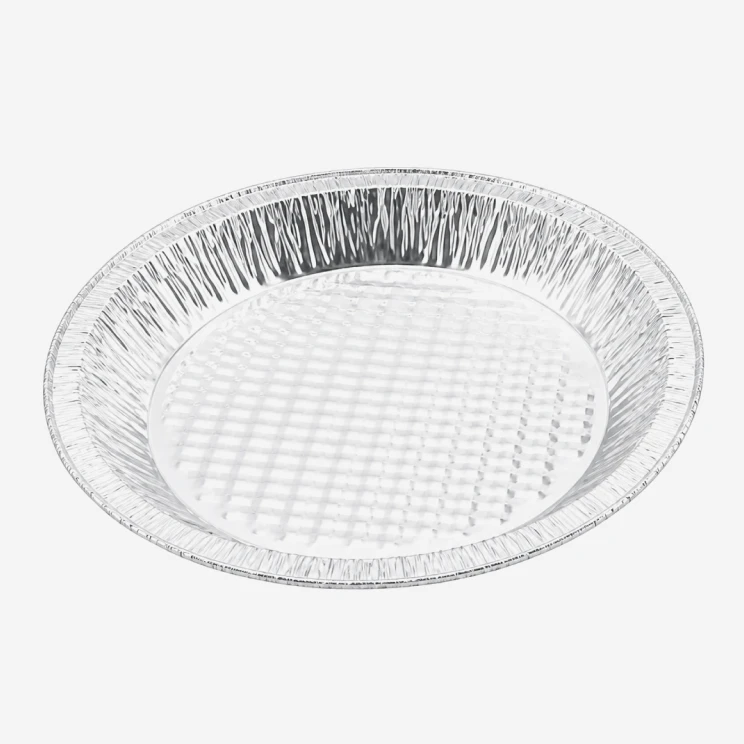
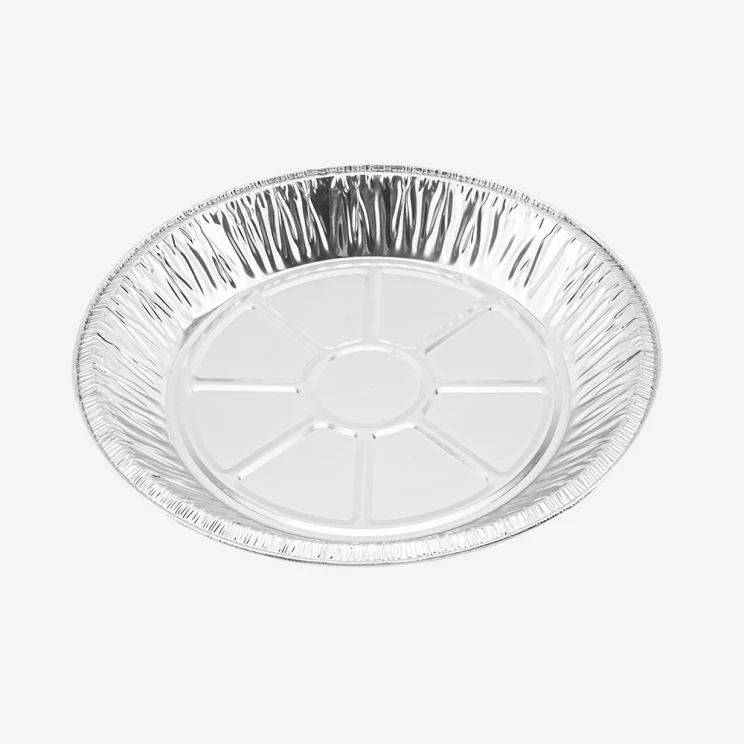
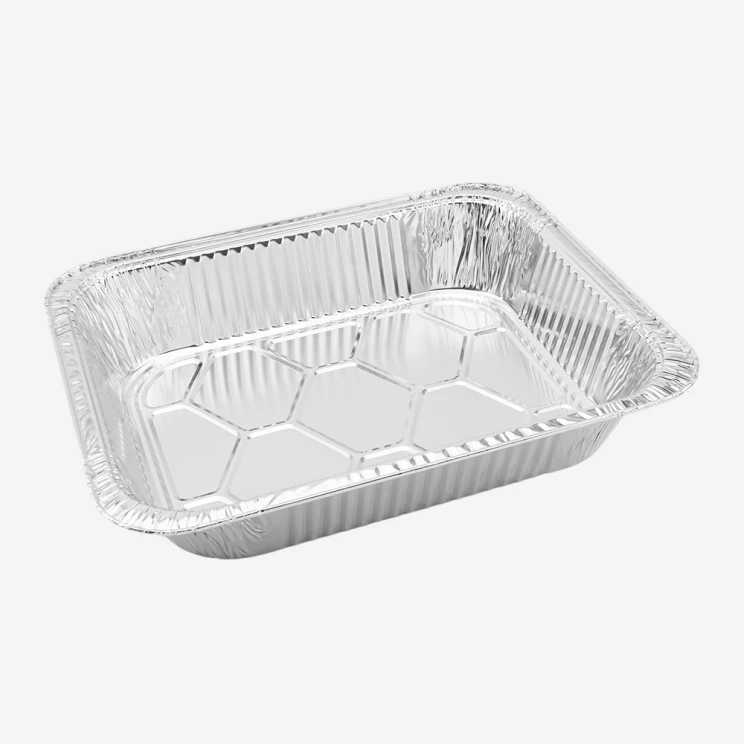
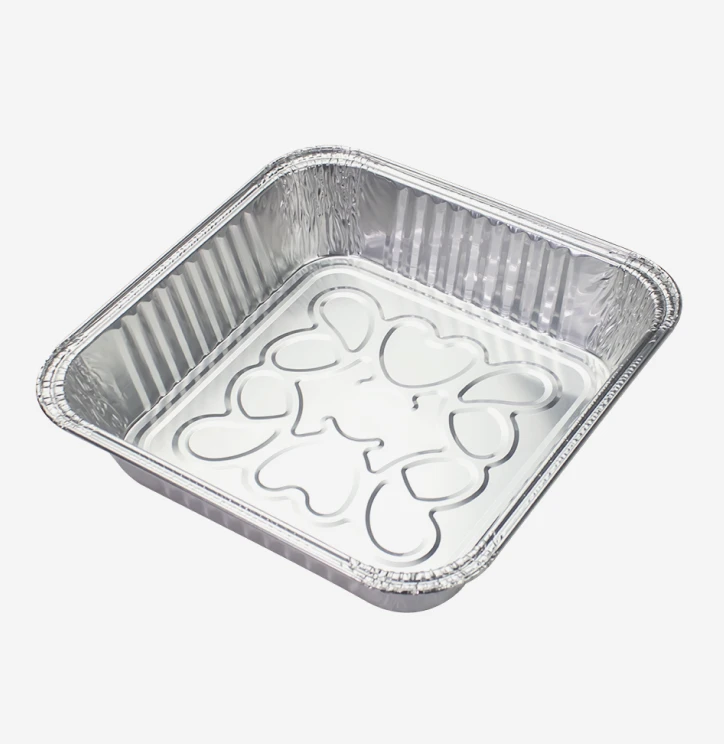
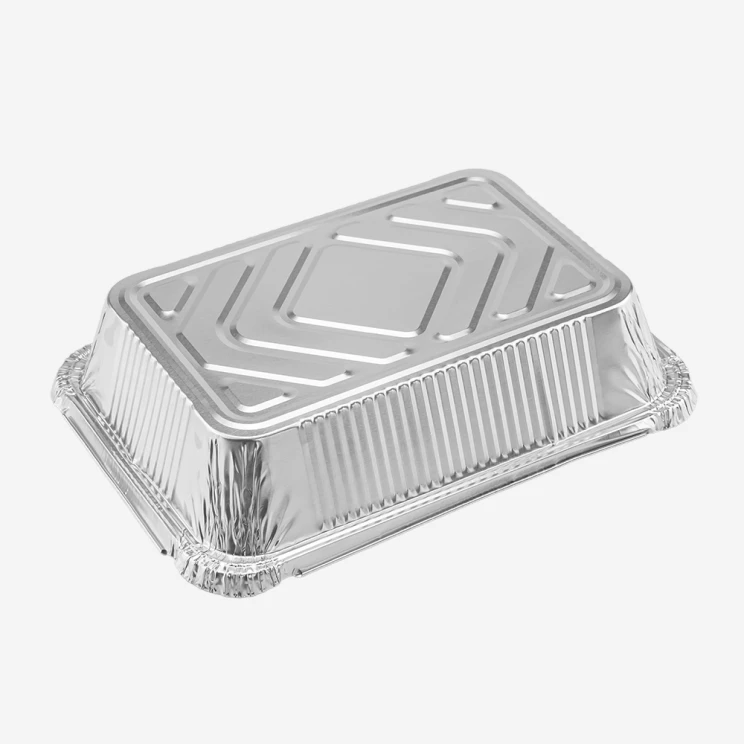
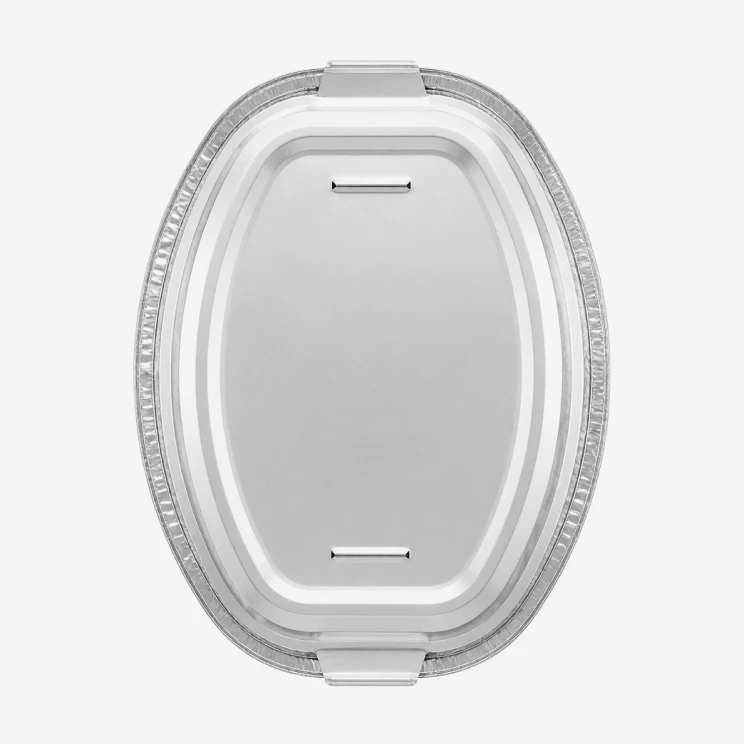
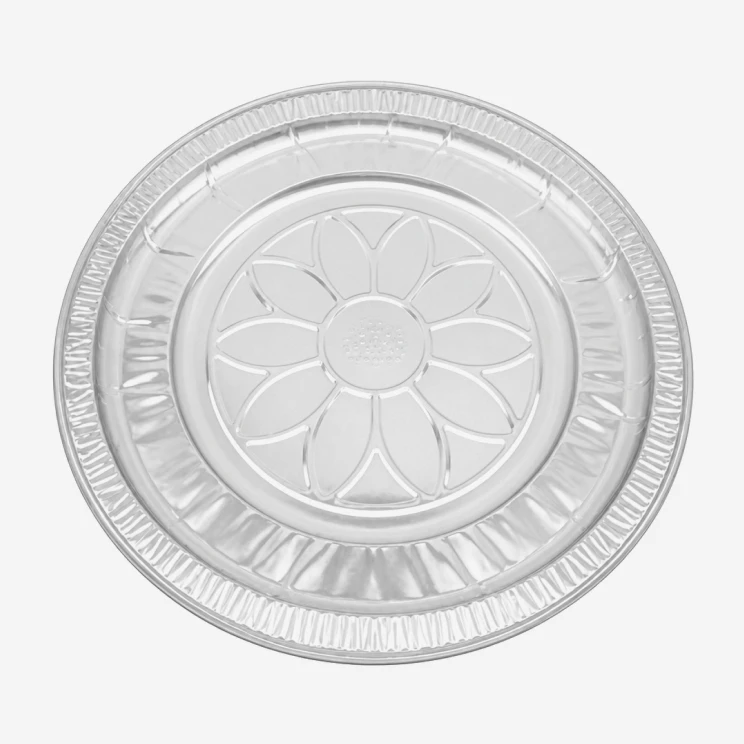
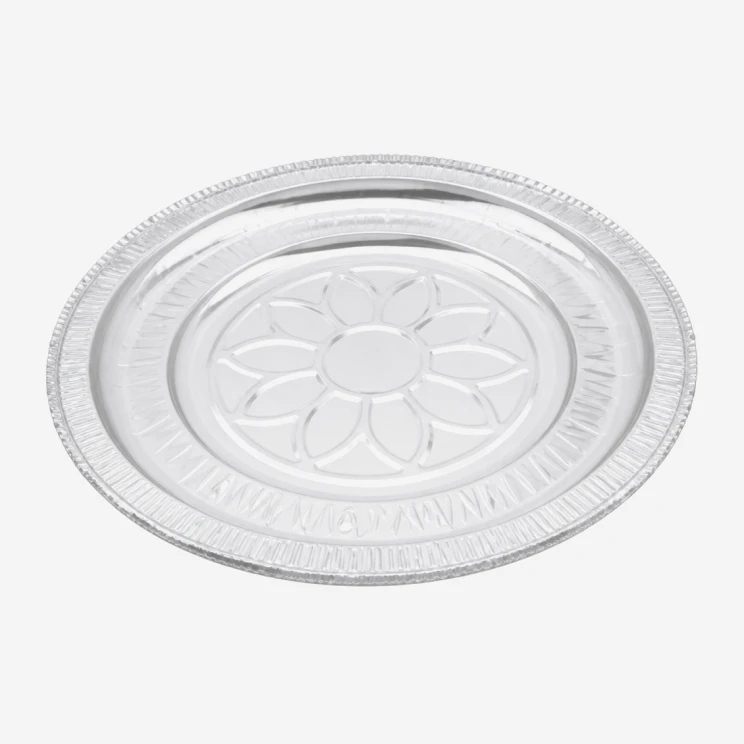
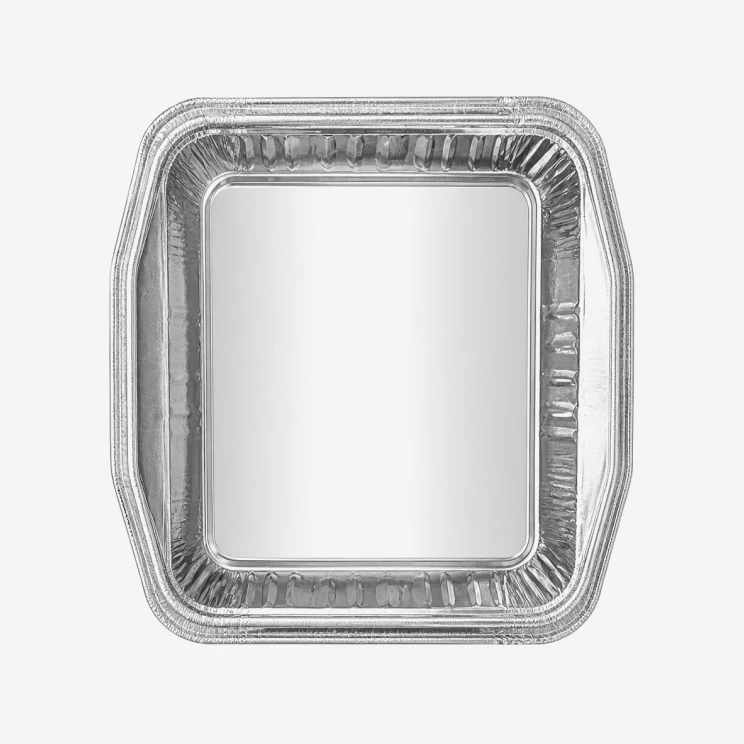
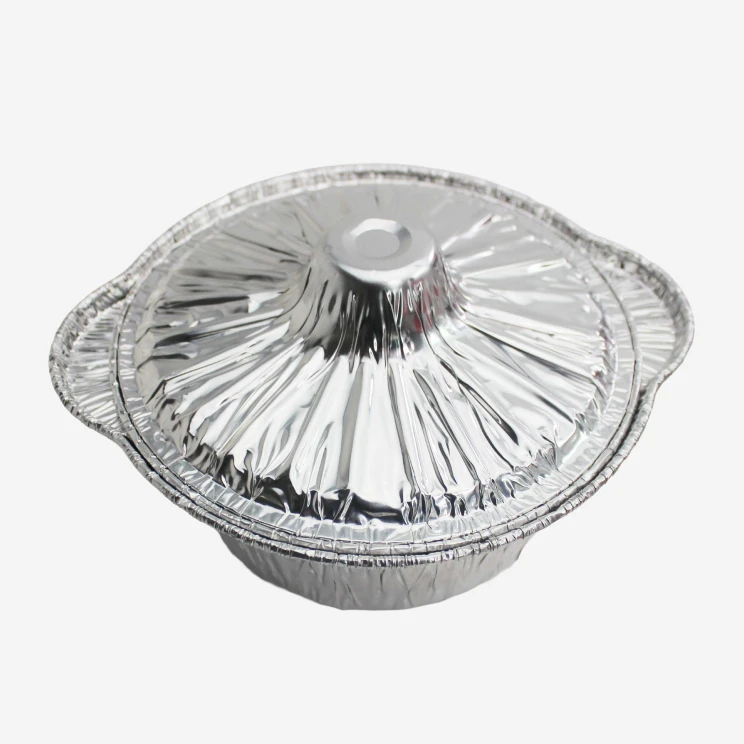
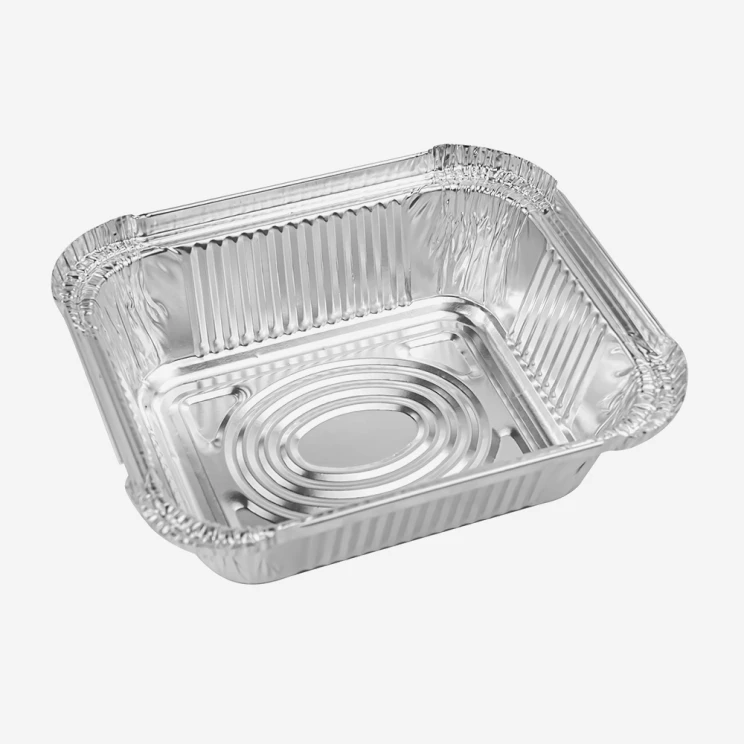
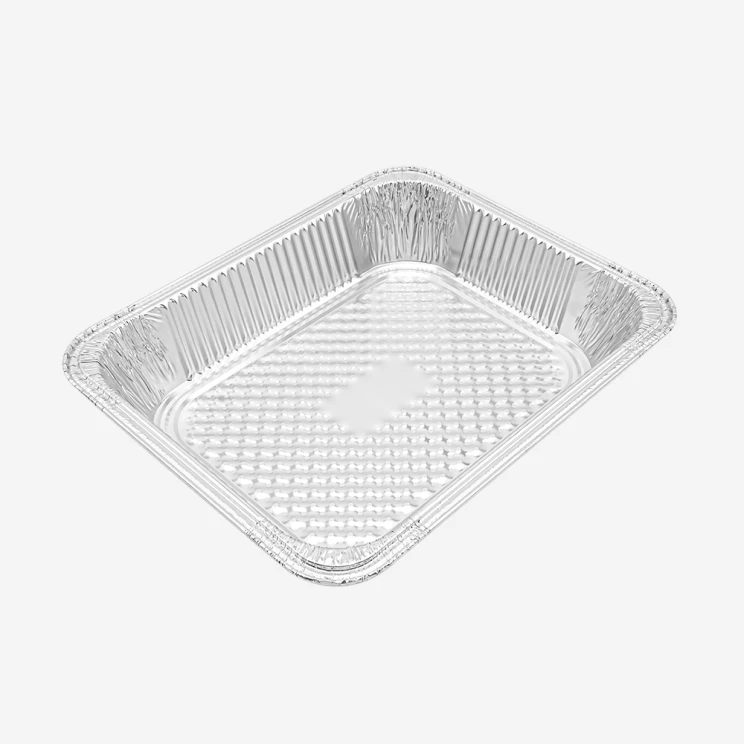
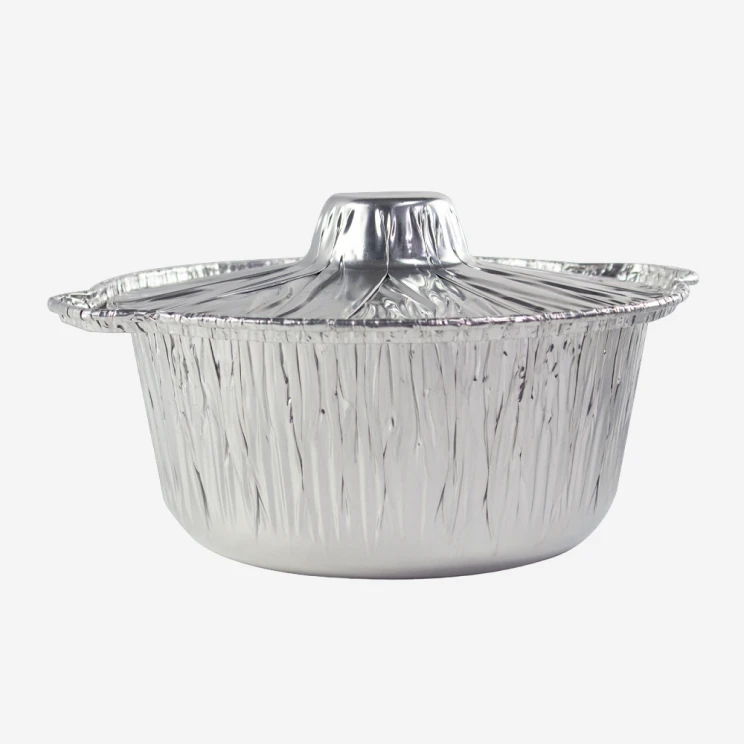
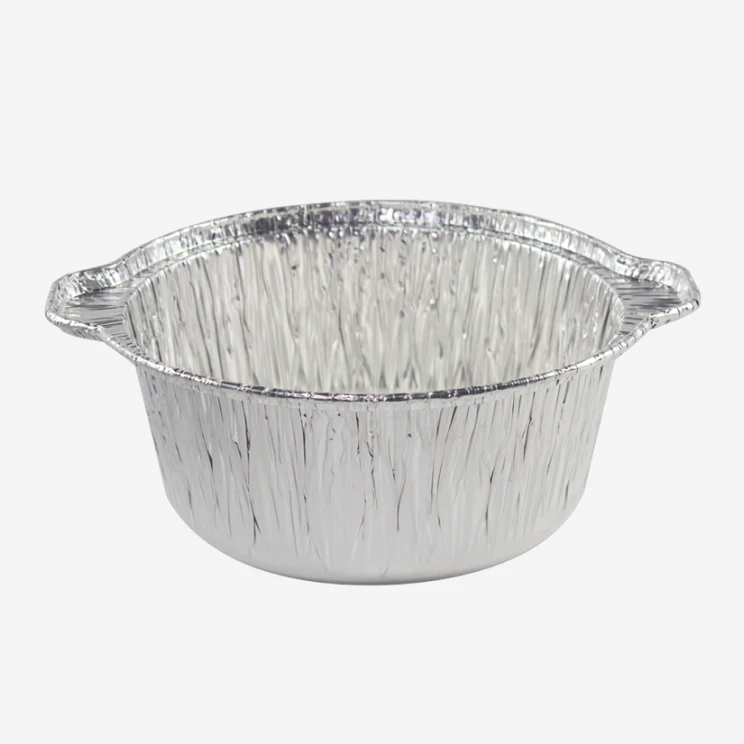
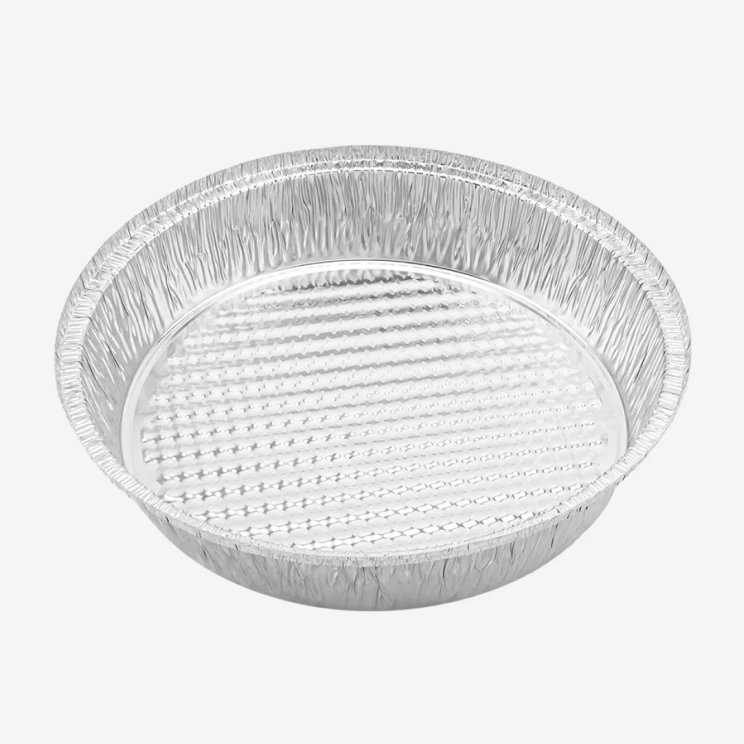
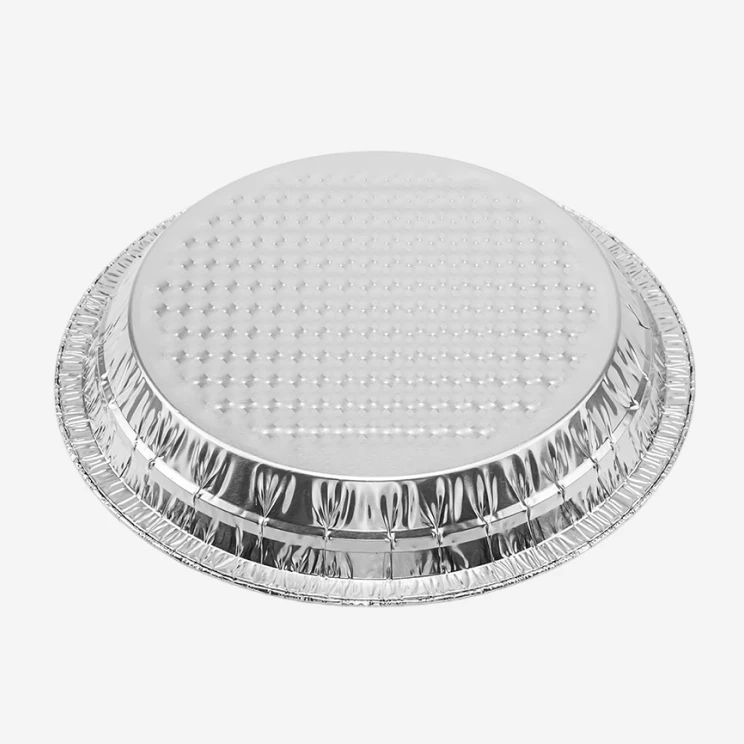
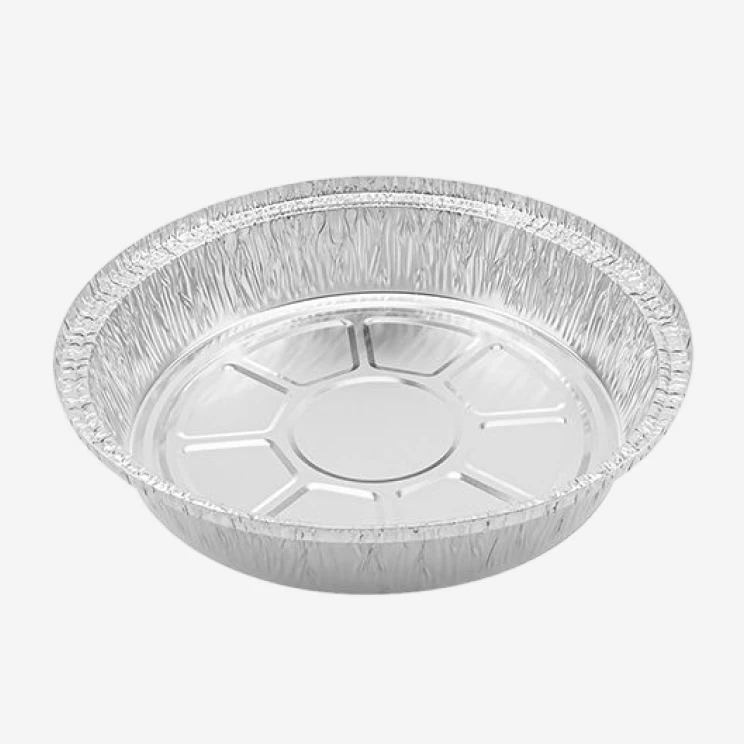
Item # WY565 is a 22.2 inch (565mm) round aluminum foil catering tray, the largest format in the R1-R4 shared-platter series. The 43mm deep wall and 500mm serving surface take whole roasted lamb, goose, or large fish over a full bed of rice, and the wrinkle-wall heavy-gauge body carries banquet-scale loads that would buckle lighter trays.

| Model | Series | Top Out (mm) | Top In (mm) | Bottom Out (mm) | Height (mm) | Rim Type |
|---|---|---|---|---|---|---|
| WY565 | R4 | 565 | 500 | 371 | 43 | Full Curl Vertical |
Some dishes define the event: a whole roasted lamb over spiced rice at a wedding, a festival goose, a large whole fish for a banquet table. These centerpieces need a tray that matches their scale, and Item # WY565 is built as exactly that—the R4 top of the R1-R4 catering tray series, with a 500mm serving surface and a 43mm wall that contains a full bed of rice plus the whole roast arranged on top.
The 565mm top-out is not an arbitrary number. It covers the diagonal of a butterflied lamb shoulder, a whole goose, or a large roasted fish with garnish around it, while still passing through standard commercial oven doors and banquet service routes. The 371mm base keeps the tray stable on banquet trolleys and round serving stands, and the wide annular rim gives two servers clean handholds when the loaded tray moves from kitchen to table.
A whole roast over rice for twenty guests can exceed eight kilograms. At that weight, thin trays fold at the rim and dump the centerpiece on the floor. The wrinkle-wall profile on this tray works as a ring of vertical ribs around the sidewall, and the full-curl vertical rim closes the top edge into a continuous stiff band. Together they let two servers carry the full load with confidence, without sliding a sheet pan or board underneath.
The food-grade aluminum body tolerates oven roasting, so the dish can be cooked, rested, and served in the same tray. That matters for centerpiece dishes, where transferring a whole hot roast to serving ware is the riskiest handling step in the kitchen. Cooking in the service tray removes the transfer, keeps the presentation intact, and sends the tray to recycling after the event instead of to the dish pit.
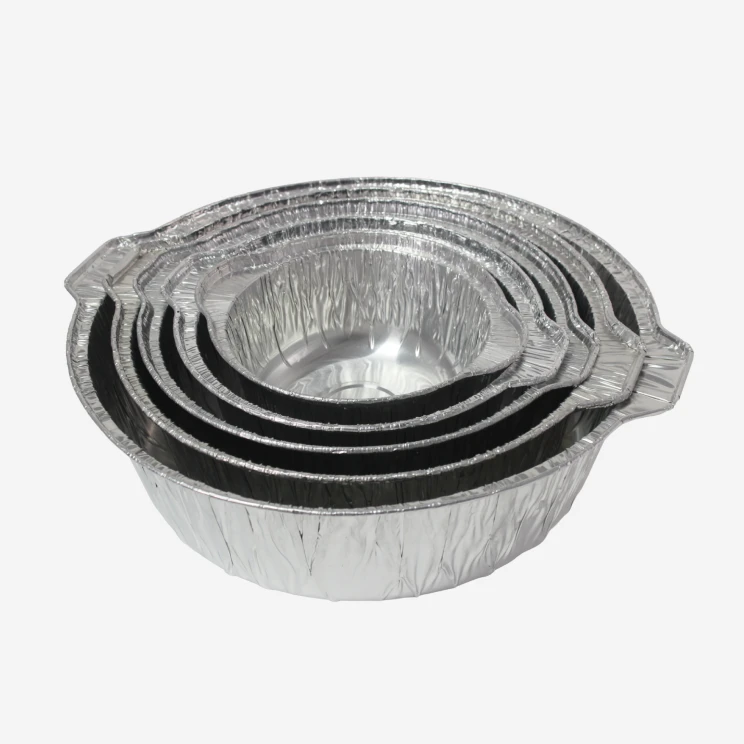
Banquet venues, hotel kitchens, and restaurant groups typically run R4 for centerpiece service alongside R2 and R3 for standard table platters. Distributors supplying the catering channel can stock the full series from one family with consistent rim and wall design, ship nested mixed-size loads in export cartons, and add private-label packing for branded programs.